Analytics & BI
Compare the best analytics & bi tools. Read reviews, compare features and pricing.

Heap
Digital insights platform


Algolia
Search & Discovery

Amplitude
Product analytics

Crazy Egg
Heatmaps & A/B testing

FullStory
Digital experience intelligence
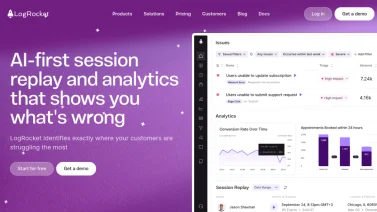

LogRocket
Frontend monitoring


Mixpanel
Product analytics
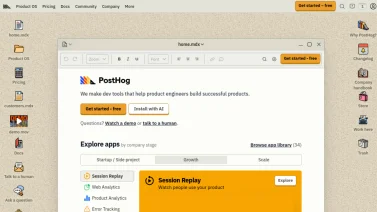

PostHog
Open source analytics

June
B2B product analytics


Hotjar
Behavior analytics

Plausible
Privacy-friendly analytics
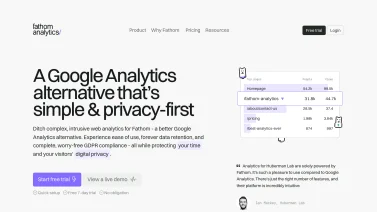

Fathom
Simple analytics
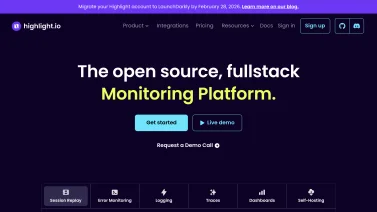

Highlight
Comprehensive monitoring for your entire stack.
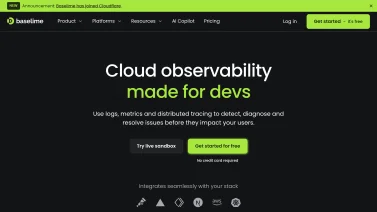

Baselime
Unlock the Power of Serverless Observability
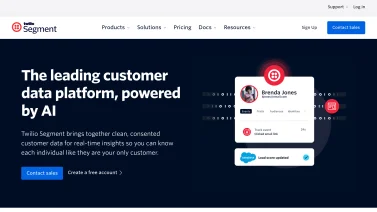

Segment
Unify your customer data effortlessly
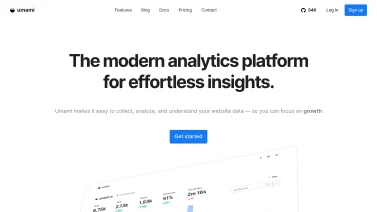

Umami
Simple, fast, privacy-focused analytics

Hightouch
Transform your data into actionable insights.

Pinecone
The Future of AI Data Management

Chroma
Revolutionize your data with AI embeddings

Zipy
Monitor errors and replay user sessions effortlessly


UserTesting
Unlock the power of human insight.

Better Stack
Uptime monitoring made easy

Airbyte
Seamless data integration for modern businesses

Nile
Elevate your B2B SaaS with Postgres power

Fivetran
Effortless data integration for your business.

Maze
Streamline Your User Testing Process

Pirsch
Effortless web analytics with privacy at its core

Helicone
Elevate Your LLM Performance with Insightful Observability

Jitsu
Empower Your Data Collection Efforts
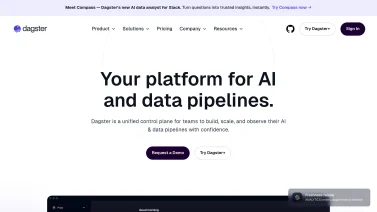

Dagster
Transforming Data Orchestration Effortlessly


Replicate
Run your ML models seamlessly with Replicate
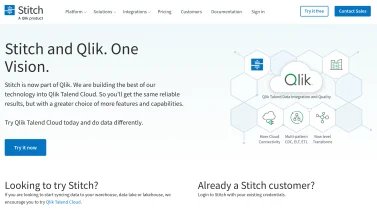

Stitch
Streamline Your Data Pipeline Effortlessly


Weights & Biases
Track, visualize, and optimize your ML experiments
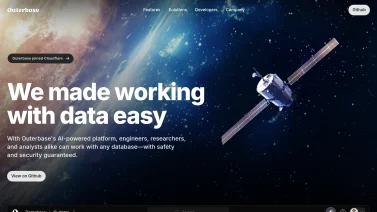

Outerbase
Revolutionize Your Database Management with AI


ProfitWell
Maximize Your Subscription Revenue
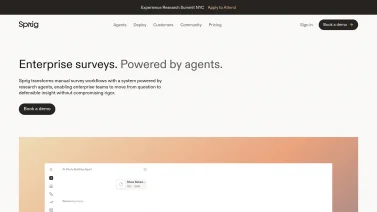

Sprig
Unlocking user insights for product success

SingleStore
Transform Your Data Experience with Real-Time Insights

Koala
Transform Your Pipeline with Intelligent Insights

Lightdash
Unlock the power of your data with Lightdash!

Materialize
Stream your data, analyze it instantly.

ClickHouse
Unlock lightning-fast analytics with ClickHouse

Stigg
Streamline Your SaaS Pricing Strategy

RudderStack
Seamless Data Integration for Growth

ChartMogul
Transform your subscription data into actionable insights
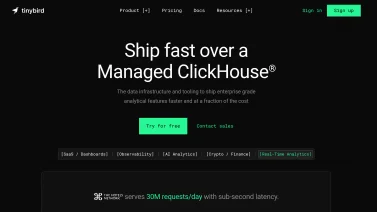

Tinybird
Real-time data at your fingertips
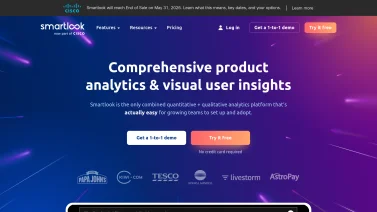

Smartlook
Unlock the Secrets of User Behavior
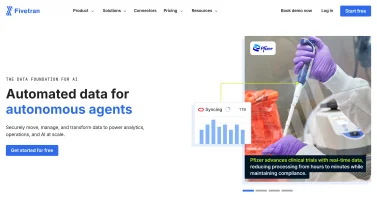

Census
Unlock the Power of Your Data
Top Analytics & Business Intelligence (BI) Software in 2026
In today's competitive SaaS landscape, data-driven decision-making is no longer a luxury, it's a necessity. Business Intelligence (BI) and Data Analytics platforms empower organizations to transform raw data into actionable insights, enabling them to predict market trends, optimize operational efficiency, and deeply understand customer behavior.
In this category, we curate the best B2B SaaS solutions that leverage Artificial Intelligence (AI), cloud computing, and real-time data processing to take your startup or enterprise to the next level.
What Are Business Intelligence (BI) & Analytics Tools?
Business Intelligence (BI) tools aggregate, visualize, and analyze data from various sources within your organization such as CRMs, ERPs, marketing platforms, and web analytics into a central source of truth. Modern analytics platforms go beyond just reporting "what happened"; they use machine learning algorithms to forecast "what will happen" next.
How to Choose the Right Analytics Platform? (Buying Guide)
With hundreds of options available, finding the perfect fit can be overwhelming. Consider these critical factors:
- Integrations: Does the tool connect seamlessly with your existing stack (e.g., Salesforce, HubSpot, AWS, SQL databases)?
- Scalability: Can it handle your data volume as you grow from a startup to an enterprise without significant performance lag?
- Usability (UX): How steep is the learning curve? A complex interface can lead to low adoption rates among your team.
- Pricing Model: Is it per user, per data volume, or feature-based? Be wary of hidden costs as your data needs expand.
Frequently Asked Questions (FAQ)
What is the difference between Business Intelligence (BI) and Data Analytics?
BI typically focuses on descriptive analysis ("What happened and why?") using historical data. Data Analytics often involves more advanced statistical methods to predict future outcomes ("What will happen?").
Are BI tools necessary for small businesses?
Absolutely. Many modern SaaS analytics tools offer "Freemium" plans or startup-friendly pricing. Making data-backed decisions is crucial for growth, regardless of company size.
Which tools are best for Product Analytics?
For tracking user behavior, retention, and funnels, tools like Mixpanel, Amplitude, and Heap are industry leaders specifically designed for product teams.
Frequently Asked Questions
Analytics and business intelligence software collects data from multiple sources, transforms it into a unified view, and provides tools to explore, visualize, and report on that information. It helps identify trends, measure performance, and uncover hidden patterns that support decision making. By turning raw data into actionable insights, the software enables teams to prioritize initiatives, optimize operations, and align strategies with actual results.
Buyers should focus on how well the platform integrates data from multiple sources, including cloud and on-premise systems, and how easily it prepares and cleans that data. Look for intuitive visualizations and dashboards that can be customized without deep technical skills. Real-time or near-real-time reporting, advanced analytics like predictive modeling, and strong security and governance features are also critical. Finally, consider scalability, collaboration tools, and the ability to embed insights into other business applications.
Analytics and BI tools connect to existing data sources such as ERP, CRM, marketing platforms, and cloud services through built-in connectors or APIs, allowing data to flow without disrupting current workflows. They consolidate information into a unified view, support real-time dashboards, and enable automated reporting that complements operational applications. This integration helps teams make data-driven decisions while preserving the investments already made in core business systems.
Teams often underestimate data preparation, leading to messy dashboards and slow insights. They may also grant too many users full access, creating security gaps and confusing version control. To avoid these issues, start with a clear data governance plan, define user roles, and pilot the platform with a small group before scaling. Regular training and a documented rollout roadmap keep expectations realistic and adoption smooth.