CRM Software
Compare the best crm software tools. Read reviews, compare features and pricing.
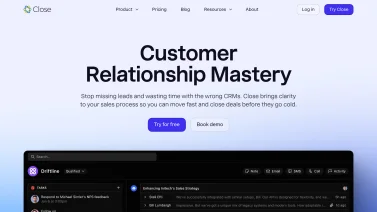

Close
CRM built for closing
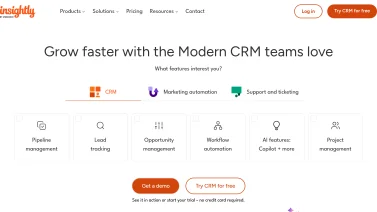

Insightly
Modern CRM for growing teams
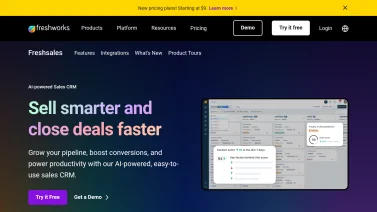

Freshsales
AI-powered CRM for sales
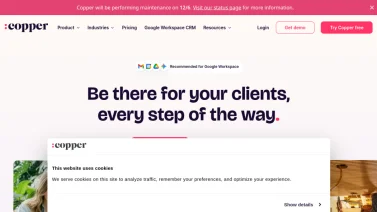

Copper
CRM for Google Workspace
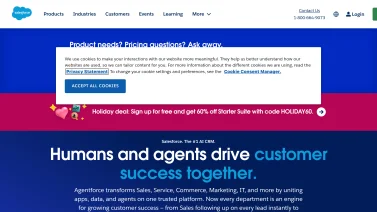

Salesforce
CRM platform
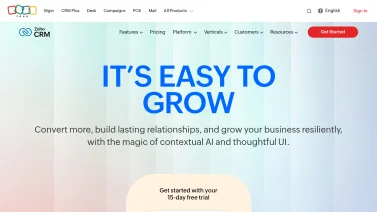

Zoho CRM
CRM for growing businesses
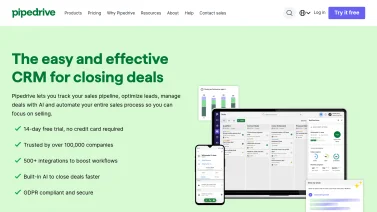

Pipedrive
Sales CRM
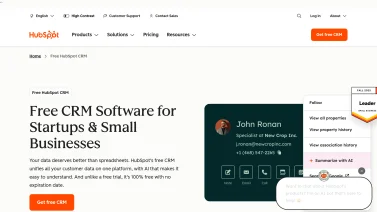
HubSpot CRM
Free CRM software


Outseta
Streamline Your Startup Operations

Attio
Your next-generation CRM solution.

Folk
CRM for relationship-driven teams
Customer Relationship Management Transforms Sales Effectiveness
Customer Relationship Management (CRM) software has become essential infrastructure for organizations seeking to build stronger customer relationships, streamline sales processes, and drive sustainable revenue growth. Modern CRM platforms consolidate customer data, interactions, and sales activities into unified systems that provide comprehensive visibility into the entire customer lifecycle. The shift from fragmented spreadsheets and manual customer tracking to integrated CRM platforms reflects organizational recognition that customer relationships directly drive business outcomes and deserve investment in sophisticated management infrastructure.
CRM extends far beyond simple contact management to become a strategic business tool that influences how organizations attract customers, nurture relationships, and drive revenue. By centralizing customer information, automating routine tasks, and providing actionable insights, CRM systems enable sales teams to work more effectively and close deals faster. Organizations implementing CRM report improved sales performance, stronger customer retention, and better-informed decision-making based on comprehensive customer and sales data.
Core CRM Capabilities and Functions
Effective CRM platforms combine a suite of capabilities that streamline every stage of the sales process, from capturing initial interest to closing deals and analyzing outcomes. By integrating contact handling, pipeline visibility, automated workflows, comprehensive reporting, omnichannel communication, and predictive insights, these systems empower teams to operate efficiently and make data-driven decisions.
Contact and Lead Management
Modern CRM systems serve as centralized repositories for all customer and prospect information, eliminating scattered spreadsheets and inconsistent data. Comprehensive contact records capture essential information including company details, contact history, communication preferences, and business relationships. Lead capture mechanisms automatically import prospects from web forms, email campaigns, and other marketing channels. Contact organization enables segmenting customers by industry, company size, geography, or custom criteria. Activity logging records all interactions including emails, phone calls, meetings, and social media engagement, creating detailed interaction history for every customer. These contact management capabilities ensure that every team member has access to current, comprehensive customer information when needed.
Sales Pipeline and Deal Tracking
Visual sales pipelines provide clear representations of deal progress through defined sales stages. Drag-and-drop interfaces enable quickly updating deal status as prospects advance through the sales process. Customizable pipeline stages adapt to unique sales methodologies whether organizations follow traditional consultative sales, account-based selling, or other approaches. Deal information capture enables recording essential details including prospect company, decision makers, problem statement, proposed solution, and expected close date. Win/loss analysis reveals which deals succeeded and why, informing refinement of sales strategies. Pipeline forecasting based on deal values and probabilities helps sales leaders predict revenue accurately and allocate resources effectively. These pipeline capabilities provide visibility critical for sales management.
Sales Automation and Workflow Management
Automation capabilities eliminate repetitive administrative tasks that consume selling time. Email automation enables creating sequences of personalized messages that nurture prospects over time. Task automation can create follow-up reminders when defined conditions occur. Meeting scheduling automation eliminates back-and-forth email exchanges in favor of self-service scheduling links. Lead routing automation assigns incoming prospects to appropriate sales representatives based on geography, industry, or other criteria. Lead scoring automation prioritizes the most promising prospects based on engagement and fit characteristics. These automation capabilities enable sales teams to focus time on high-value activities including relationship building and deal negotiation.
Reporting and Sales Analytics
Comprehensive dashboards provide real-time visibility into key sales metrics including pipeline value, conversion rates, sales cycle length, and individual rep performance. Customizable reports enable analyzing data from multiple perspectives to answer specific business questions. Funnel analysis reveals where prospects drop out of the sales process, identifying opportunities for improvement. Performance tracking enables comparing actual results against quotas and forecasts. Win/loss analysis provides insights into what factors influence successful deal closure. Rep performance metrics enable identifying training opportunities and recognizing top performers. These analytics capabilities transform raw data into actionable insights guiding sales strategy and management decisions.
Multi-Channel Communication Integration
Modern CRM platforms integrate multiple communication channels including email, phone, social media, SMS, and web chat. Integrated communication eliminates switching between separate applications and ensures all interactions are recorded in customer records. Email integration captures incoming and outgoing correspondence within CRM records. Phone integration records call details including duration, participants, and notes. Social media integration enables tracking customer mentions and monitoring brand conversations. SMS capabilities enable text message communication directly from CRM. These integrated communication capabilities ensure that regardless of channel, all customer interactions are visible and traceable.
Forecasting and Predictive Analytics
Advanced CRM systems incorporate artificial intelligence to forecast sales and predict outcomes. Revenue forecasting based on pipeline data and historical conversion rates helps leadership understand expected revenue and identify shortfalls early. Lead scoring algorithms identify prospects most likely to convert based on engagement patterns and fit characteristics. Churn prediction identifies at-risk customers showing warning signs of dissatisfaction. Upsell and cross-sell recommendations suggest additional products and services customers may value. These predictive capabilities enable proactive management based on predicted outcomes rather than reactive responses to actual results.
Key Benefits of CRM Implementation
Implementing a CRM system reshapes how an organization manages its sales pipeline, customer interactions, and internal coordination, delivering tangible operational advantages. By centralizing data and automating routine tasks, teams gain clearer visibility into opportunities, reduce friction across departments, and make informed choices that drive sustainable growth and stronger client relationships.
Increased Sales Team Productivity
CRM automation eliminates time-consuming administrative tasks enabling sales teams to focus on revenue-generating activities. Automated data entry eliminates manual customer information updates. Workflow automation handles routine follow-ups and task scheduling. These efficiency gains typically result in sales representatives spending significantly more time in direct customer engagement and deal closure activities. Organizations report productivity improvements of 20-40% following CRM implementation as teams reclaim time previously spent on administrative overhead.
Improved Sales Performance and Higher Close Rates
CRM systems enhance sales effectiveness through multiple mechanisms. Lead prioritization ensures sales focus on the most promising opportunities. Comprehensive customer history enables personalized interactions addressing specific customer needs. Pipeline visibility helps sales leaders identify stalled deals and intervene with coaching. Automated follow-ups ensure prospects receive timely engagement. These combined factors improve conversion rates, reduce sales cycle length, and increase average deal value. Organizations implementing CRM report sales increases averaging 15-30% as effectiveness improves.
Enhanced Customer Relationships
CRM systems enable personalized customer interactions by providing comprehensive context for every interaction. Sales representatives understand customer history, preferences, and previous interactions. Account teams can coordinate their efforts avoiding duplicate contacts and ensuring consistent messaging. Proactive follow-up based on customer needs and preferences strengthens relationships. These relationship-enhancing capabilities are particularly valuable in complex B2B sales where strong relationships influence buying decisions.
Better Revenue Forecasting and Planning
CRM systems provide the data foundation for accurate revenue forecasting. Pipeline visibility combined with historical conversion rates enables reasonably accurate revenue predictions. Forecasting accuracy enables better planning and resource allocation. Early warning of revenue shortfalls enables management intervention to adjust strategies or resource allocation. These planning improvements enable more effective business management and financial stability.
Improved Cross-Functional Collaboration
CRM systems break down organizational silos by providing visibility across functions. Marketing teams see lead quality from different campaigns. Customer service teams understand sales history and customer value. Product teams understand customer use cases and feedback. This visibility enables better coordination and more customer-centric organizational alignment. Many organizations find that CRM implementation drives organizational culture shifts toward customer-centricity.
Data-Driven Decision Making
CRM systems provide comprehensive data enabling management decisions based on actual information rather than intuition. Sales leaders understand which strategies work and which require adjustment. Managers identify top performers and coaching opportunities. Executive teams understand customer value and profitability. These data-driven insights enable more effective strategy and resource allocation.
Scalability for Business Growth
CRM systems enable organizations to scale sales operations without proportional increases in overhead costs. New sales representatives can quickly access historical customer information rather than starting from scratch. Standardized processes captured in CRM workflows ensure consistent approach as team size increases. These scalability benefits enable organizations to grow revenue faster than headcount increases.
CRM Categories and Solutions
Understanding the spectrum of CRM solutions helps organizations align technology with their unique sales processes, customer service models, and industry regulations. By categorizing platforms into sales-focused, comprehensive business, industry-tailored, and small-business options, decision-makers can evaluate features such as pipeline visibility, automation depth, integration flexibility, and scalability to match their growth trajectory.
Sales-Focused CRM Platforms
Sales-centric CRM solutions emphasize pipeline management, deal tracking, and sales automation. These platforms typically include comprehensive contact management, visual pipeline interfaces, and sales forecasting capabilities. They often include minimal customer service or marketing automation features, allowing focus on sales functionality. Sales CRM platforms typically offer rapid deployment enabling quick time-to-value. These solutions are ideal for organizations primarily focused on improving sales effectiveness.
Comprehensive Business CRM
Full-featured CRM platforms consolidate sales, marketing, customer service, and sometimes accounting functions into unified platforms. Comprehensive solutions provide deeper integration between functions enabling better process coordination. These platforms typically require more extensive implementation and training but provide value across multiple organizational functions. Comprehensive CRM solutions are often preferred by mid-market and enterprise organizations managing complex, multi-departmental customer interactions.
Industry-Specific CRM Solutions
CRM platforms tailored to specific industries address unique requirements of particular business types. Real estate CRM includes property management and transaction tracking. Insurance CRM emphasizes policy management and renewal tracking. Healthcare CRM includes patient relationship management and HIPAA compliance. Professional services CRM includes project tracking and time billing integration. Manufacturing CRM emphasizes complex multi-stakeholder sales processes. These specialized solutions address industry-specific requirements that general-purpose platforms cannot adequately support.
Small Business and Startup CRM
Simplified CRM solutions designed for small teams emphasize ease of use and affordable pricing. These platforms typically include essential features for contact management, basic pipeline tracking, and reporting without overwhelming complexity. Many offer freemium pricing models enabling trial before purchase. Small business CRM solutions typically require minimal implementation enabling rapid adoption. These solutions are ideal for growing organizations seeking to implement discipline without excessive overhead.
Current Trends in CRM Evolution
Modern CRM platforms are shifting rapidly, driven by emerging technologies and evolving business priorities. Organizations now expect systems that anticipate needs, streamline interactions, and seamlessly connect with other tools, while supporting flexible workstyles. This dynamic landscape sets the stage for deeper intelligence, richer experiences, broader integrations, and mobile-centric designs.
AI-Powered Intelligence and Automation
Artificial intelligence is rapidly transforming CRM capabilities. Machine learning algorithms improve lead scoring accuracy over time. AI-powered conversation analysis extracts key information from sales calls without requiring manual documentation. Predictive analytics identify at-risk customers and upsell opportunities automatically. Next-step recommendations guide sales representatives toward optimal actions. These AI capabilities are rapidly moving from premium features to baseline expectations as users expect intelligent assistance.
Increased Focus on Customer Experience
Modern CRM platforms emphasize improving customer experience alongside sales effectiveness. Sentiment analysis identifies customer satisfaction issues. Proactive support systems address problems before customers escalate. Journey mapping tools help organizations understand customer perspective. These customer experience enhancements reflect recognition that customer satisfaction drives loyalty and retention.
Integration with Broader Business Ecosystems
CRM platforms increasingly emphasize integration with other business tools including accounting, project management, and business intelligence systems. Pre-built connectors reduce integration complexity. API-first architectures enable custom integrations. These integrations enable CRM data to flow into other business systems and operational data to flow back into CRM, ensuring consistency across systems.
Mobile-First and Remote-Enabled Designs
CRM platforms are increasingly designed with mobile and remote work in mind. Mobile applications enable full CRM functionality from smartphones and tablets. Offline capabilities enable working without connectivity. Cloud-based architecture eliminates installation complexity. These design choices enable sales teams to work from anywhere, essential for distributed teams and remote work arrangements.
Selecting Appropriate CRM Solutions
Choosing a CRM that aligns with business goals requires a holistic view of how the system will support sales activities, data flow, and organizational change. This overview frames the upcoming discussion on process fit, ecosystem connections, and the practical realities of deployment, helping decision makers evaluate options comprehensively.
Assessing Sales Process Requirements
Selecting CRM requires understanding specific organizational needs rather than simply adopting industry-standard platforms. Organizations should evaluate current sales processes, pain points, and growth plans. Considerations include team size, sales cycle length, deal complexity, and number of decision makers involved. Pilot implementations with leading options enable evaluation of functionality and user experience. Involving both sales leadership and frontline representatives in selection ensures solutions address actual requirements.
Integration and Ecosystem Compatibility
Evaluate which CRM platforms integrate with systems the organization already uses including email, calendar, accounting, and marketing automation systems. Strong integration reduces friction and improves adoption. Organizations should understand API capabilities enabling custom integrations with specialized systems. Pre-built integration marketplaces provide pre-constructed connectors reducing implementation complexity.
Implementation Complexity and Timeline
Evaluate implementation timelines and required professional services. Quick implementations enable rapid value realization but may skip important customization. Extended implementations provide thorough configuration but delay benefits. Organizations should understand required training and ongoing support needs. Total cost of ownership including implementation services often exceeds software license costs.
The Future of CRM
CRM platforms will continue evolving toward greater intelligence, deeper integration, and enhanced user experience. Artificial intelligence will handle increasingly sophisticated analytical and predictive tasks. Voice interfaces and mobile-first design will enable interaction through multiple modalities. Deeper integration with business ecosystems will blur lines between CRM and other business systems. Customer data platforms will provide increasingly comprehensive customer views. Organizations prioritizing CRM investment and implementation position themselves for sustained sales success and customer relationship strength.
Modern CRM systems represent essential business infrastructure that directly impacts sales effectiveness and customer relationship quality. By centralizing customer information, automating routine tasks, and providing actionable insights, CRM platforms enable sales teams to work smarter and build stronger customer relationships. Organizations selecting appropriate solutions and implementing them effectively gain significant competitive advantages through improved sales performance, stronger customer relationships, and data-driven decision-making.
Frequently Asked Questions
CRM software centralizes contact information, interaction history, and sales opportunities in one system. It tracks communications, schedules follow-ups, and automates routine tasks such as email reminders and data entry. By providing a unified view of each customer, the software helps teams coordinate outreach, prioritize leads, and personalize service. The result is more efficient workflows, better data accuracy, and stronger relationships that can drive growth.
When evaluating CRM solutions, focus on how well they capture and organize contact data, track interactions across channels, and automate follow-up tasks. Look for robust reporting that reveals sales pipelines and customer trends, and for integration options with email, marketing tools, and other business systems. A flexible user interface, mobile access, and customizable workflows are also key, as they determine how easily the system adapts to specific sales processes and growth needs.
CRM software acts as a central hub that connects sales, marketing, support and finance tools, allowing data to flow between them without duplicate entry. It can sync contacts with email platforms, pull order information from e-commerce solutions, and share service tickets with help-desk applications. By using APIs or built-in connectors, the system updates records in real time, so each department works with the same customer view while existing legacy applications continue to operate.
Teams often underestimate data migration, leading to duplicate records and lost information, so they should plan a clean import and run validation checks. Users may resist change if the system feels complex, therefore providing role-based training and quick-start guides helps build confidence. Lack of clear ownership can cause scattered updates, so assigning a dedicated admin and establishing consistent usage policies prevents chaos and ensures the CRM delivers value.