Project Management
Compare the best project management tools. Read reviews, compare features and pricing.


Linear
Streamline software projects
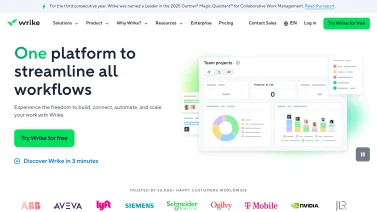

Wrike
Versatile work management
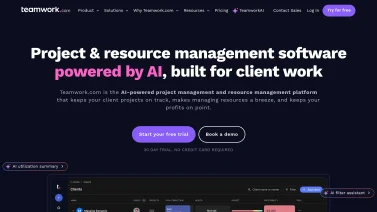

Teamwork
Work management for agencies
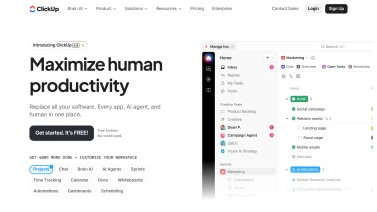

ClickUp
One app to replace them all


Basecamp
Project management & team communication


Height
Autonomous project management
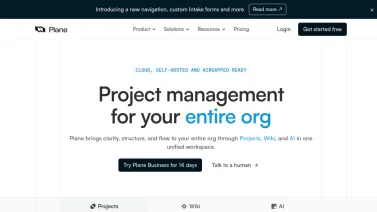

Plane
Open source project management
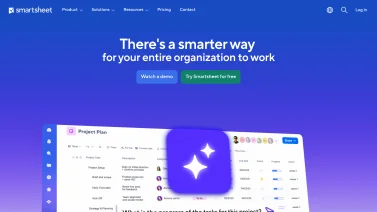

Smartsheet
Work management platform
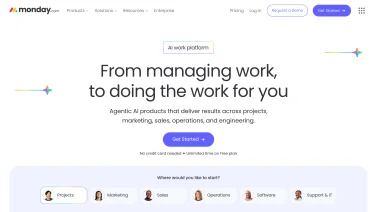

Monday.com
Work OS
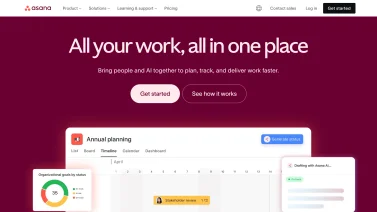

Asana
Work management
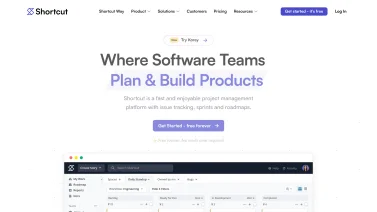

Shortcut
Project management for software teams
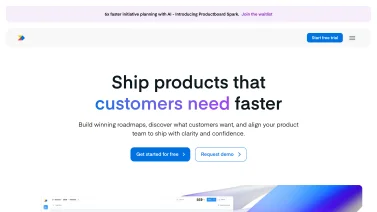

Productboard
Product management system
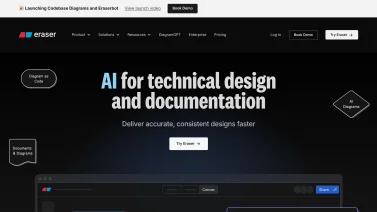
Eraser
The whiteboard for engineering teams


flukenypws
Empower Your Team, Streamline Your Projects


Huly
Your All-in-One Project Management Solution
Project Management Software Solutions for Modern Teams
Discover enterprise-grade project management SaaS tools designed to streamline workflows, enhance team collaboration, and deliver projects on time and within budget. Our comprehensive marketplace features the industry's leading project management platforms tailored for businesses of all sizes.
Understanding Project Management SaaS Solutions
Project Management SaaS (Software-as-a-Service) solutions have revolutionized how teams approach planning, execution, and monitoring of projects. Unlike traditional on-premise software, cloud-based project management tools eliminate the need for complex installations and expensive infrastructure investments. These platforms enable seamless collaboration across distributed teams, regardless of geographic location or time zone, making them essential for modern hybrid and remote work environments.
The shift toward SaaS project management has been driven by the need for flexibility, scalability, and real-time accessibility. Organizations increasingly require tools that can adapt to diverse project methodologies, whether teams follow Agile, Scrum, Kanban, or traditional Waterfall approaches. Project management SaaS platforms deliver this versatility while maintaining predictable subscription costs that are easier to budget and scale as your organization grows.
Essential Features of Project Management SaaS Platforms
Effective project management SaaS platforms combine core capabilities that keep teams aligned, tasks visible, and outcomes measurable. By integrating collaborative tools, resource planning, analytics, and customizable automation, these solutions enable seamless work across devices and locations, ensuring that projects progress smoothly from inception to delivery.
Task and Project Tracking
At the heart of every project management solution lies robust task tracking capabilities. Modern SaaS platforms enable teams to create, assign, and monitor task progress with granular visibility. These systems allow managers to break down complex projects into manageable milestones and deliverables, ensuring that every team member understands their responsibilities and deadlines. Visual management tools such as Gantt charts, Kanban boards, and timeline views provide intuitive representations of project status, enabling quick identification of bottlenecks and progress delays.
Real-Time Collaboration and Communication
Effective collaboration is fundamental to project success. Contemporary project management SaaS solutions incorporate built-in communication features including comments, file attachments, chat functionality, and video conferencing capabilities. These integrated communication channels eliminate the need to switch between multiple tools, creating a centralized hub where all project-related discussions, decisions, and documentation reside. This unified approach reduces miscommunication, accelerates decision-making, and ensures that all stakeholders remain informed throughout the project lifecycle.
Time and Resource Management
Successful project delivery depends on intelligent resource allocation and time tracking. Project management SaaS platforms provide sophisticated tools for logging time, analyzing productivity, and optimizing resource distribution. These capabilities enable managers to allocate team members based on availability and workload, preventing team member burnout while ensuring projects progress efficiently. Advanced time tracking features support billing accuracy and provide valuable insights into project profitability and team productivity metrics.
Reporting and Analytics
Data-driven decision-making requires access to comprehensive project metrics. Modern SaaS project management tools deliver customizable dashboards and pre-built reports that provide real-time insights into project performance. These analytics capabilities include progress tracking, resource utilization analysis, budget monitoring, and risk identification. By analyzing these key performance indicators (KPIs), project managers can make informed strategic decisions, identify potential issues before they escalate, and continuously optimize project delivery processes.
Automation and Workflow Customization
Project management SaaS platforms automate repetitive tasks, allowing teams to focus on high-value work. Intelligent automation features can trigger actions based on specific conditions: for example, automatically assigning the next task when a team member marks a task complete, or sending deadline reminders as dates approach. Custom workflow configuration enables organizations to tailor the platform to their unique business processes, whether they require approval workflows, escalation procedures, or recurring task management.
Mobile Access and Cloud Synchronization
The modern workforce demands the ability to work from anywhere. Cloud-synchronized project management platforms provide mobile applications that synchronize seamlessly across all devices. Team members can access project boards, communicate with colleagues, review files, and update task status from smartphones, tablets, or laptops. This work-on-the-go capability ensures continuous productivity for hybrid and remote teams while maintaining data consistency across all endpoints.
Key Benefits of Project Management SaaS Solutions
Project management SaaS solutions centralize tasks, timelines, and communication, allowing organizations to streamline workflows without the overhead of on-premise infrastructure. By delivering updates instantly and scaling resources on demand, these platforms create a flexible environment where teams can focus on delivering results rather than managing software complexities.
Cost Effectiveness and Predictable Budgeting
One of the most compelling advantages of project management SaaS is the cost structure. Unlike traditional software that requires substantial upfront licensing fees and ongoing maintenance costs, SaaS platforms operate on subscription models with predictable monthly or annual costs. This approach eliminates the need for expensive hardware infrastructure, system administration overhead, and complex maintenance procedures. Organizations avoid capital expenditure requirements and can scale costs according to actual usage and team size, making these solutions particularly attractive for small and medium-sized businesses.
Enhanced Team Productivity and Efficiency
Project management SaaS platforms are purpose-built to eliminate workflow friction and boost team productivity. By providing pre-configured workflows and rapid deployment, organizations can achieve time-to-value quickly without complex implementation periods. Automation features handle repetitive administrative tasks, freeing team members to focus on strategic work that directly impacts project outcomes. Integrated communication tools reduce context-switching, and centralized information repositories eliminate time wasted searching for project documentation or status updates.
Improved Visibility and Decision-Making
Real-time project visibility transforms management decision-making. Project management SaaS solutions provide stakeholders with a single source of truth for all project data. Customizable dashboards surface critical metrics instantly, enabling managers to identify risks, adjust resource allocations, and make course corrections with confidence. This transparency also improves accountability, as all team members can see project progress, interdependencies, and how their individual contributions impact overall project success.
Scalability and Flexibility
As organizations grow, project management needs evolve. SaaS platforms scale effortlessly to accommodate increased team size, more complex projects, and expanding feature requirements. Organizations can add or remove users as needed, upgrade to higher-tier plans to access premium features, or integrate additional tools through robust API ecosystems. This inherent flexibility ensures that your project management solution grows alongside your business without requiring costly migrations or platform changes.
Support for Remote and Hybrid Work
Project management SaaS platforms are architected for distributed teams. These solutions enable seamless collaboration across different geographic locations and time zones through cloud accessibility and asynchronous communication features. Real-time notifications keep team members informed of updates regardless of their location, while mobile capabilities ensure productivity continues outside traditional office environments. This support for flexible work arrangements makes SaaS project management solutions essential for modern organizations navigating the hybrid work landscape.
Reduced Implementation Complexity
SaaS project management tools are typically pre-configured for immediate deployment, reducing implementation timelines and complexity compared to on-premise alternatives. Organizations can often begin using the platform within days rather than months, achieving faster return on investment. Cloud-based delivery also means automatic updates and feature releases without requiring IT intervention or system downtime, ensuring organizations always have access to the latest functionality and security improvements.
Selecting the Right Project Management SaaS Solution
Choosing an appropriate project management platform requires careful consideration of organizational requirements, team size, project complexity, and specific workflow needs. The following factors should guide your evaluation:
Alignment with Project Methodology
Different platforms excel with different project management approaches. Evaluate whether your teams primarily use Agile methodologies, traditional Waterfall approaches, Kanban systems, or hybrid frameworks. The ideal platform should provide native support for your preferred methodology while offering enough flexibility to adapt to evolving practices. Platforms offering multiple viewpoints (such as Gantt charts, Kanban boards, timeline views, and calendar views) provide maximum flexibility for diverse team requirements.
Integration Capabilities
Modern project management rarely occurs in isolation. Evaluate each platform's ability to integrate with other critical business systems including communication tools, file storage services, customer relationship management systems, and business intelligence platforms. Robust API access and a comprehensive app marketplace enable organizations to create customized workflows that seamlessly connect all essential business applications.
Team Size and User Management
Consider how pricing scales with team growth and whether the platform accommodates different user roles with appropriate permission levels. Evaluate whether the solution supports unlimited task creation, whether users across organization tiers can access necessary information, and how the platform manages multiple simultaneous projects with different team compositions.
Reporting and Analytics Depth
Advanced project management requires comprehensive analytics and reporting. Evaluate whether the platform provides the specific metrics and visualizations your organization requires for performance monitoring, resource optimization, and strategic planning. Consider whether reporting can be customized to specific stakeholder needs and whether data can be exported for advanced analysis or presentation purposes.
Security and Compliance Standards
For organizations handling sensitive information, verify that the platform meets relevant compliance requirements including SOC 2 certification, GDPR compliance, HIPAA standards, or other regulatory mandates. Evaluate data encryption standards, access control capabilities, audit logging features, and the platform provider's data residency policies.
User Experience and Learning Curve
Platform adoption depends significantly on ease of use. Evaluate the user interface intuitiveness, availability of comprehensive documentation and tutorials, and the quality of customer support. Consider requesting trial access to assess whether the platform's learning curve aligns with your team's technical proficiency and available training resources.
Current Trends in Project Management SaaS
The landscape of project management SaaS is evolving rapidly, driven by technologies that anticipate needs, prioritize human factors, and embed continuous improvement. Modern platforms blend intelligent forecasting with tools that support balanced work rhythms, while seamlessly connecting to broader operational workflows and focusing on delivering outcomes that align closely with client expectations.
Artificial Intelligence and Predictive Analytics
Leading project management platforms increasingly incorporate artificial intelligence to enhance decision-making capabilities. AI-powered features can predict project risks, suggest resource optimizations, automate routine tasks, and provide intelligent insights based on historical project data. These capabilities enable managers to make proactive decisions rather than reactive ones, improving project success rates and team efficiency.
Emphasis on Work-Life Balance and Team Well-being
Modern project management solutions are increasingly focused on preventing team burnout and supporting employee well-being. Features that track workload distribution, identify overallocation, and suggest workload balancing reflect a broader industry shift toward sustainable project delivery practices. Organizations recognize that preventing burnout directly impacts project quality, team retention, and overall productivity.
Integration with Continuous Improvement Processes
Project management platforms are evolving beyond execution tracking to support organizational learning and continuous improvement. Enhanced retrospective features, lessons-learned capture, and performance benchmarking enable organizations to extract maximum value from completed projects and systematically improve future project delivery.
Customer-Centric Project Delivery
Contemporary platforms emphasize customer feedback integration and stakeholder visibility. Features that enable customer input, feedback collection, and expectation management help ensure that delivered projects truly meet business objectives rather than simply adhering to original specifications.
Project Management SaaS Use Cases Across Industries
Project management SaaS solutions serve diverse organizational needs across virtually every industry. Technology and software companies use these platforms to coordinate complex development projects involving multiple teams, dependencies, and integration points. Marketing organizations leverage project management tools to coordinate campaigns across multiple channels, manage content calendars, and track campaign performance metrics. Professional services firms use platform capabilities to ensure billable projects stay within scope and budget while maintaining detailed time tracking for accurate client billing.
Construction and engineering firms benefit from project management SaaS through real-time schedule management, resource planning, and progress tracking capabilities that ensure projects meet strict timelines and budget constraints. Healthcare organizations use these platforms to coordinate patient projects, research initiatives, and organizational improvements while maintaining strict compliance requirements. Educational institutions deploy project management solutions to coordinate complex initiatives including infrastructure projects, curriculum development, and research endeavors.
Best Practices for Project Management SaaS Implementation
Implementing a project management SaaS platform requires a disciplined approach that aligns technology with organizational goals, addresses cultural shifts, and ensures sustainable usage. By establishing strong leadership support, preparing teams for change, testing functionality through focused pilots, defining governance structures, and continuously tracking adoption, organizations can maximize value and minimize disruption.
Secure Executive Sponsorship
Successful project management SaaS adoption requires visible executive support. Leadership commitment ensures appropriate resources, encourages team participation, and signals organizational commitment to improved project delivery practices. Executive sponsorship also facilitates cross-departmental collaboration and helps address resistance to change.
Invest in Comprehensive Change Management
Technology adoption requires more than software deployment. Organizations should provide extensive training, create detailed documentation, establish clear processes for the new platform, and maintain dedicated support resources during the transition period. Involving end users in configuration decisions and leveraging their insights accelerates adoption and ensures the platform meets actual organizational needs.
Start with Pilot Projects
Rather than organization-wide deployment, consider implementing the platform with a pilot project or department. This approach enables organizations to identify configuration needs, refine processes, train champions who become adoption advocates, and build organizational confidence before broader rollout. Pilot results provide compelling evidence for broader adoption and minimize disruption risk.
Establish Clear Governance Frameworks
Effective project management requires standardized processes, naming conventions, and reporting structures. Organizations should develop governance frameworks that balance standardization with flexibility, ensuring consistency while accommodating legitimate variations in project approaches and industry-specific requirements.
Monitor Adoption Metrics and Provide Support
Track adoption metrics including platform usage rates, feature utilization, and user engagement. Identify areas of resistance or confusion and provide targeted support. Create feedback mechanisms enabling users to suggest improvements and report issues, demonstrating organizational commitment to making the platform work effectively for all teams.
Frequently Asked Questions About Project Management SaaS
When organizations consider cloud-based project management tools, they often have lingering questions about deployment, methodology support, security, data resilience, and scalability. This FAQ section distills essential information, offering concise answers that clarify how these platforms integrate into existing workflows, protect sensitive information, recover from disruptions, and grow alongside expanding enterprises.
What is the typical implementation timeline for project management SaaS?
Most cloud-based project management solutions can be deployed and operational within days to weeks, compared to months required for on-premise software. Initial implementation typically involves configuration, integration with existing systems, team training, and data migration. Many organizations achieve user productivity within one to two weeks of deployment.
How does project management SaaS support multiple project methodologies?
Leading platforms accommodate diverse project approaches through configurable workflows, multiple visualization options, and customizable features. Teams can choose between Gantt charts for traditional approaches, Kanban boards for continuous flow processes, or sprint boards for Agile teams, with some platforms supporting methodology switching within single projects.
What security measures should I expect from project management SaaS providers?
Reputable providers implement comprehensive security including data encryption in transit and at rest, regular security audits, SOC 2 certification, granular access controls, and detailed audit logging. Enterprise solutions typically offer advanced security features including single sign-on, role-based access control, and compliance certifications meeting specific industry requirements.
How do project management SaaS solutions handle data backup and disaster recovery?
SaaS providers maintain redundant data backups across geographically distributed data centers, ensuring business continuity in case of infrastructure failures. Most providers guarantee 99.5% or higher uptime with defined recovery point and recovery time objectives. Organizations should verify specific backup and recovery capabilities when evaluating solutions.
Can project management SaaS solutions scale for enterprise-level organizations?
Yes, modern cloud-based platforms scale to support thousands of users, hundreds of concurrent projects, and complex organizational hierarchies. Enterprise-grade solutions provide custom integrations, dedicated support, enhanced security, advanced analytics, and configuration options tailored to large organizations' specific requirements.
Transforming Project Delivery with Modern SaaS Solutions
Project management SaaS platforms have become essential business infrastructure for organizations seeking to improve project delivery, enhance team collaboration, and maintain competitive advantage in increasingly complex business environments. By centralizing project information, automating routine tasks, enabling real-time collaboration, and providing actionable analytics, these solutions directly impact organizational productivity and project success rates.
The combination of cost-effectiveness, rapid deployment, scalability, and support for distributed work makes project management SaaS the preferred choice for modern organizations. Whether you manage software development, marketing campaigns, professional services, or complex organizational initiatives, the right project management platform can transform how your teams work together and deliver results.
Explore our comprehensive marketplace of project management SaaS solutions to find the platform that best aligns with your organizational requirements, team structure, and project delivery objectives. Compare features, pricing, and user reviews to make an informed decision that positions your organization for sustained project delivery excellence.
Frequently Asked Questions
Project management software helps teams plan, track, and complete work by providing a central place for tasks, schedules, and resources. It lets users assign responsibilities, set deadlines, and visualize progress with timelines or boards. Collaboration features let members share files, comment, and receive updates in real time. Reporting tools summarize performance and highlight bottlenecks, enabling better decision making and more predictable delivery of projects.
When evaluating project management tools, focus on how they handle task creation, assignment, and tracking, as clear visibility into work items is essential. Look for collaborative features such as comments, file sharing, and real-time updates that keep teams aligned. Robust reporting and analytics help measure progress and identify bottlenecks. Integration with other business applications, like calendars and communication platforms, reduces manual effort. Consider resource planning tools that balance workloads, timeline visualizations such as Gantt charts, and the availability of mobile apps for on-the-go access.
Project management software acts as a hub that connects to existing tools such as CRM, ERP, finance, and communication platforms. It can pull client data from a CRM to create tasks, sync resource schedules with an ERP for capacity planning, and push status updates to chat apps for real-time visibility. By using APIs or native integrations, it reduces duplicate entry, aligns workflows, and helps teams see a single source of truth across the organization.
Teams often underestimate the need for clear process definition, leading to scattered tasks and low user adoption. Skipping training or rolling out too many features at once creates confusion and resistance. To avoid these issues, start with a pilot group, document standard workflows, provide role-based training, and gradually expand usage while gathering feedback to refine configurations.