E-commerce
Compare the best e-commerce tools. Read reviews, compare features and pricing.


Ko-fi
Empower your creativity with community support
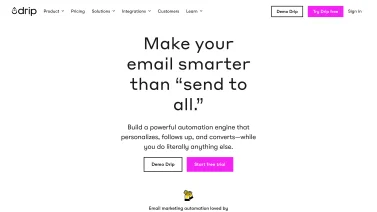

Drip
E-commerce CRM

Gumroad
Sell digital products
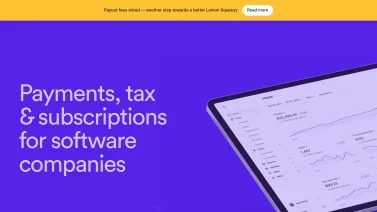

Lemon Squeezy
Merchant of record


Shopify
E-commerce platform
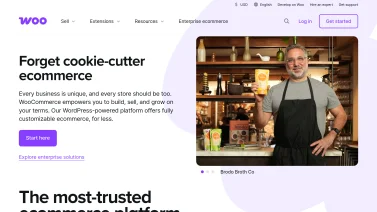

WooCommerce
WordPress e-commerce


BigCommerce
E-commerce software


Buy Me a Coffee
Empower Creators with Your Support


Gorgias
E-commerce helpdesk that boosts support efficiency


Podia
Empower your creativity with Podia!


FastSpring
Empowering Global Digital Commerce Solutions


Whop
Sell digital products & memberships seamlessly.


Teachable
Empower your knowledge with Teachable.
E-commerce Platforms Power Online Sales and Customer Experience
E-commerce platforms have evolved from basic online storefronts into comprehensive systems that manage every aspect of digital selling from product catalog management through customer support. Modern e-commerce solutions consolidate storefront design, inventory management, payment processing, shipping integration, marketing tools, and analytics into unified environments that enable businesses to launch, scale, and optimize online stores efficiently. The transformation from static product listings to dynamic, personalized shopping experiences reflects organizational recognition that customer experience quality and operational efficiency directly influence sales and profitability.
E-commerce software extends far beyond basic shopping carts to become strategic business infrastructure that influences how organizations attract customers, facilitate transactions, and maintain competitiveness. By enabling rapid store creation, automating operational tasks, optimizing conversion rates, and providing actionable insights, modern e-commerce platforms enable businesses to compete effectively in increasingly digital commerce environments. Organizations implementing sophisticated e-commerce strategies report increased sales, improved customer satisfaction, reduced operational overhead, and faster time-to-market for new products.
Core E-commerce Platform Capabilities
A robust e-commerce platform must deliver a cohesive set of core capabilities that enable businesses to present products, manage inventory, process transactions, and fulfill orders efficiently. These functions work together to create a seamless shopping experience, support operational scalability, and provide the data needed for informed decision-making.
Storefront Design and Customization
Modern e-commerce platforms enable creating professional storefronts without technical expertise. Drag-and-drop builders enable visually designing storefronts. Pre-built themes accelerate deployment by providing starting points. Responsive design ensures storefronts display properly across devices. Brand customization enables incorporating logos, colors, and fonts. Template marketplace access provides additional design options. Mobile optimization ensures mobile shopping experience. These design capabilities enable rapid storefront creation.
Product Catalog Management
Sophisticated product management enables handling large catalogs efficiently. Bulk import enables adding hundreds or thousands of products quickly. Product variants enable managing size, color, and style options. Dynamic pricing enables offering different prices to different customer segments. Related products and cross-sells increase average order value. Product reviews and ratings build trust. Search and filtering enable customers finding products easily. Inventory management prevents overselling. These catalog capabilities enable managing complex product offerings.
Shopping Cart and Checkout
Optimized checkout experiences reduce cart abandonment. One-page checkout reduces friction. Guest checkout eliminates account creation requirement. Multiple payment options accommodate customer preferences. Saved customer information accelerates repeat purchases. Progress indicators show checkout steps. Security badges build payment confidence. Address validation prevents errors. Cart recovery emails recapture abandoned sales. These checkout capabilities directly improve conversion rates.
Payment Processing and Gateways
Multiple payment options accommodate diverse customer preferences. Credit card processing enables accepting major payment cards. Digital wallets including PayPal and Apple Pay expand payment options. Buy now pay later options appeal to younger customers. Subscription billing enables recurring revenue models. Fraud detection protects against unauthorized transactions. PCI compliance ensures payment security. Real-time authorization prevents payment failures. These payment capabilities enable accepting diverse payment methods.
Shipping and Order Management
Integrated shipping streamlines fulfillment operations. Real-time shipping quotes provide accurate costs. Multiple carrier integration includes major providers. Automated label generation accelerates shipping. Order tracking enables customers monitoring deliveries. Returns management streamlines returns processing. Inventory updates synchronize across channels. Batch order processing accelerates large volume handling. These fulfillment capabilities improve operational efficiency.
Marketing and Promotions
Built-in marketing tools drive customer acquisition and engagement. Email marketing integration enables promotional campaigns. Discount code management enables creating promotions. Abandoned cart recovery recaptures sales. Product recommendations increase average order value. Email capture enables building mailing lists. Social media integration enables sharing products. SEO optimization enables organic search visibility. Analytics tracking measures campaign effectiveness. These marketing capabilities drive revenue growth.
Customer Engagement and Analytics
Comprehensive analytics provide visibility into customer behavior and sales performance. Sales dashboards show real-time revenue and order metrics. Customer analytics reveal purchasing patterns and preferences. Product performance tracking identifies top sellers. Traffic source analysis reveals which channels drive sales. Conversion optimization identifies friction points. Customer lifetime value analysis identifies high-value segments. These analytics enable data-driven optimization.
Key Benefits of E-commerce Implementation
Implementing e-commerce software transforms a business by unlocking new channels, reducing manual overhead, and delivering richer data about shopper behavior. These capabilities enable organizations to reach distant customers, streamline operations, personalize experiences, and respond quickly to demand shifts, ultimately driving stronger revenue growth and more efficient inventory control.
Extended Market Reach
E-commerce eliminates geographic limitations of physical stores. Online presence reaches global customers 24/7. Multiple language support enables international selling. Currency conversion facilitates cross-border transactions. Regional shipping integration handles diverse logistics. These capabilities extend market reach dramatically beyond local markets.
Lower Operating Costs
Online operations eliminate many physical store costs. No rent or facility expenses. Reduced staff requirements. Automated processes reduce labor. Inventory optimization reduces carrying costs. These cost reductions improve profitability significantly compared to physical retail.
Improved Customer Insights
Comprehensive data provides deep understanding of customers. Purchase history reveals customer preferences. Browsing behavior reveals shopping patterns. Geographic data reveals market opportunities. Demographic analysis identifies target segments. These insights enable better marketing and product decisions.
Increased Sales and Revenue
E-commerce enables significant revenue growth. Extended selling hours increase transaction opportunities. Global reach expands market size. Personalization increases conversion rates. Cross-sell and upsell opportunities increase average order value. These mechanisms drive revenue growth.
Better Inventory Optimization
E-commerce enables efficient inventory management. Real-time tracking prevents overselling. Demand forecasting optimizes stock levels. Automated reorders maintain availability. Multi-location inventory enables omnichannel fulfillment. These capabilities reduce inventory costs.
Enhanced Customer Experience
E-commerce enables personalized shopping experiences. Personalized product recommendations improve relevance. One-click purchasing accelerates transactions. Mobile optimization enables shopping anywhere. Customer service integration provides rapid support. These improvements increase customer satisfaction and loyalty.
E-commerce Platform Categories
Understanding the landscape of e-commerce platforms helps businesses match technology to their selling model, whether they need a turnkey service, full control over code, a marketplace integration, or tools tailored for digital goods. Each category brings distinct trade-offs in customization, hosting responsibilities, scalability, and the way products are presented to customers.
Hosted E-commerce Solutions
Hosted platforms handle hosting and maintenance. Shopify provides all-in-one e-commerce. BigCommerce offers enterprise features. Squarespace serves design-focused sellers. These platforms require less technical expertise and reduce infrastructure complexity.
Self-Hosted and Open-Source Solutions
Self-hosted solutions provide maximum customization. WooCommerce powers many WordPress sites. Magento serves enterprise needs. OpenCart offers flexibility. These solutions require technical expertise but offer complete control.
Marketplace-Focused Solutions
Marketplace solutions emphasize selling on multiple channels. Amazon seller central enables Amazon selling. eBay seller tools enable auction selling. Etsy provides handmade marketplace. Integrations with major marketplaces expand reach.
Digital Product Platforms
Digital product platforms specialize in digital goods. Gumroad enables selling digital products. SendOwl provides digital delivery. These platforms serve creators selling digital content.
Current Trends in E-commerce
Today's e-commerce landscape is shaped by rapid technological advances and shifting consumer expectations, prompting platforms to adopt smarter personalization, seamless channel integration, and mobile-centric experiences. At the same time, growing awareness of environmental impact drives developers to embed sustainability features, creating a more responsible and engaging shopping environment.
AI-Powered Personalization
AI increasingly personalizes shopping experiences. Product recommendations powered by machine learning. Dynamic pricing optimizes revenue. Predictive inventory prevents stockouts. AI-powered search improves discovery. These AI capabilities improve conversion rates.
Omnichannel Commerce Integration
Customers expect seamless cross-channel experiences. Online and offline inventory integration. Click-and-collect services. Social commerce enables shopping in social media. Unified customer profiles across channels. These omnichannel capabilities meet customer expectations.
Mobile-First and Progressive Web Apps
Mobile shopping continues accelerating. Mobile-first design prioritizes smartphone experience. Progressive web apps enable app-like experiences. Mobile payment optimization improves conversion. Mobile checkout simplification reduces friction.
Sustainability and Ethical Shopping
Consumers increasingly care about sustainability. Eco-friendly packaging options. Carbon-neutral shipping options. Sustainable product filtering. Ethical sourcing transparency. These initiatives appeal to conscious consumers.
Selecting Appropriate E-commerce Platforms
Choosing the right e-commerce platform requires a balanced view of functionality, cost, and future needs. Decision-makers must weigh how well a system aligns with current operations while anticipating market shifts, ensuring that the technology can adapt without extensive rework. This foundation supports later discussions on requirements, scalability, and integration.
Assessing Business Requirements
E-commerce selection requires understanding business needs. Evaluate product type, business model, and sales volume. Consider budget for platform and integration. Assess team technical capabilities. Startup businesses may prefer hosted solutions. Large enterprises may prefer self-hosted control. Pilot implementations enable platform evaluation.
Considering Scalability and Growth
Platform must support anticipated growth. Transaction volume capacity matters. Product catalog size limits. Storage capacity for media. Traffic handling capacity. Growth in team and complexity. Future business model changes. These considerations ensure platforms scale with business.
Integration with Existing Systems
Evaluate platform integration capabilities. ERP integration manages inventory. Accounting software integration. Email marketing integration. Analytics tool integration. API capabilities enable custom integrations.
The Future of E-commerce
E-commerce will continue evolving toward greater intelligence, convenience, and personalization. Artificial intelligence will increasingly predict customer needs. Voice commerce will enable shopping through voice assistants. Augmented reality will enable virtual try-ons. Blockchain may enhance security and transparency. Organizations prioritizing e-commerce excellence position themselves for sustained competitive advantage.
Modern e-commerce platforms represent essential business infrastructure that directly impacts sales, customer experience, and operational efficiency. By enabling rapid store creation, automating operations, personalizing experiences, and providing actionable insights, e-commerce platforms enable businesses to compete effectively in digital commerce. Organizations implementing appropriate e-commerce solutions gain significant competitive advantages through expanded reach, improved profitability, and enhanced customer satisfaction.
Frequently Asked Questions
E-commerce software provides the tools to create and manage an online storefront, handle product catalogs, process payments, and track orders. It integrates with inventory systems, supports shipping calculations, and often includes features for promotions, customer accounts, and analytics. The platform enables businesses to sell goods or services over the internet, automate routine tasks, and deliver a consistent shopping experience across devices.
Buyers should focus on catalog management, because flexible product organization and bulk import save time, and on payment processing, which must support multiple gateways and secure transactions. Shipping and tax calculation features reduce manual work and improve accuracy. Look for built-in SEO tools, analytics dashboards, and mobile-friendly storefronts to reach shoppers on any device. Integration options with inventory, CRM, and marketing platforms, plus strong security and scalability, are also critical.
E-commerce software connects to existing ERP, CRM, inventory and accounting platforms through APIs or built-in connectors, allowing orders to flow automatically into back-office processes. It can share product data with a catalog system, synchronize stock levels with warehouse management, and push customer information to marketing tools. By centralising data, it reduces manual entry, improves order accuracy and helps maintain a consistent experience across sales channels.
Common issues include unclear requirements, rushed implementation, and insufficient training. Teams often start without a detailed map of product data, payment flows, and integration points, leading to broken checkout or inventory mismatches. To avoid these pitfalls, define clear goals, involve stakeholders from IT, marketing and operations early, and run a pilot with a limited catalog. Provide hands-on training, document processes, and monitor key transactions before scaling the full launch.