Payment & Billing
Compare the best payment & billing tools. Read reviews, compare features and pricing.




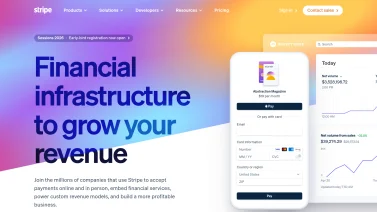

Payment and Billing Platforms Enable Recurring Revenue and Financial Control
Payment and billing platforms have evolved from simple payment processors into comprehensive financial ecosystems that manage recurring revenue, subscription billing, invoicing, and financial reporting at scale. Modern payment and billing solutions consolidate payment processing, subscription management, invoice generation, revenue recognition, dunning management, and analytics into unified environments that streamline how organizations manage monetization and finances. The transformation from manual billing processes to automated, intelligent billing systems reflects organizational recognition that billing efficiency and revenue accuracy directly influence cash flow and financial health.
Payment and billing software extends far beyond transaction processing to become strategic financial infrastructure that influences how organizations manage revenue, maintain customer relationships, and ensure compliance. By enabling automated recurring billing, ensuring revenue accuracy, providing financial visibility, and reducing operational overhead, modern payment platforms enable organizations to optimize revenue realization and financial operations. Organizations implementing sophisticated billing strategies report improved cash flow, reduced billing errors, better financial visibility, and enhanced customer retention.
Core Payment and Billing Capabilities
A robust payment and billing platform must seamlessly handle the full transaction lifecycle, from initial capture through ongoing account management and financial reporting. It should support diverse payment methods, automate recurring charges, generate accurate invoices, and align with accounting standards, while providing tools that help retain customers and analyze revenue performance.
Payment Processing and Gateway Integration
Multiple payment method support enables diverse customer options. Credit card processing handles traditional payments. Digital wallet integration enables Apple Pay and Google Pay. Bank transfer options enable direct payments. Cryptocurrency support reaches emerging customer segments. PCI compliance ensures security. Fraud detection prevents unauthorized transactions. These payment capabilities enable flexible transaction handling.
Subscription and Recurring Billing
Automated subscription management eliminates manual billing. Recurring payment automation charges on schedule. Flexible billing cycles accommodate various frequencies. Plan management enables diverse offerings. Proration calculations handle changes accurately. Dunning management handles failed payments intelligently. Churn management reduces cancellations. These subscription capabilities enable scalable recurring revenue.
Invoicing and Financial Documentation
Automated invoice generation eliminates manual creation. Professional templates maintain brand consistency. Customizable invoicing enables compliance requirements. Multi-language invoicing serves global customers. Tax calculation handles compliance. Invoice delivery automation sends at right times. Payment reminders encourage timely payment. These invoicing capabilities maintain professional financial records.
Revenue Recognition and Accounting
Automated revenue recognition ensures compliance. ASC 606 compliance maintains accounting standards. IFRS 15 compliance handles international requirements. Revenue allocation handles complex arrangements. Deferred revenue tracking manages advances. Journal entry automation eliminates manual accounting. Financial reporting automation accelerates closing. These capabilities ensure accurate financial reporting.
Customer and Subscription Management
Centralized customer management consolidates customer data. Subscription lifecycle tracking monitors customer tenure. Usage tracking enables metering and consumption-based billing. Customer communication automation improves experience. Billing history provides transparency. Account management enables customer modifications. Customer insights inform optimization. These capabilities improve customer experience.
Retention and Churn Management
Intelligent dunning manages failed payments effectively. Retry logic maximizes payment recovery. Payment failure notifications enable customer action. Billing cycle optimization reduces friction. Retention analytics identify churn risks. Proactive communication reduces cancellations. Win-back campaigns recover lost customers. These retention capabilities improve lifetime value.
Analytics and Financial Reporting
Real-time financial dashboards provide visibility. MRR and ARR tracking measure recurring revenue. Churn analysis identifies loss patterns. Cohort analysis measures customer quality. Lifetime value calculations optimize strategy. Cash flow forecasting enables planning. Custom reporting enables decision-making. These analytics enable optimization.
Key Benefits of Payment and Billing Implementation
Implementing payment and billing software transforms financial operations by delivering faster cash collection, minimizing manual errors, and providing real-time visibility into revenue streams. Automated workflows free staff from repetitive tasks, while customizable dashboards and reporting tools empower finance teams to make informed decisions, anticipate cash needs, and scale processes as the business grows.
Improved Cash Flow and Revenue Realization
Automated billing accelerates payment collection. Recurring revenue becomes predictable. Failed payment recovery maximizes realized revenue. Reduced billing delays improve cash flow. These improvements accelerate revenue realization.
Reduced Billing Errors and Compliance
Automated billing eliminates manual errors. Tax compliance ensures regulatory adherence. Revenue recognition compliance prevents audits. Audit trails provide verification capability. Documentation automation simplifies compliance. These capabilities reduce compliance risk.
Enhanced Financial Visibility
Real-time dashboards provide financial insights. Accurate financial reporting enables decisions. Forecasting enables planning. Variance analysis identifies issues. Custom reporting enables analysis. These insights improve financial management.
Improved Customer Experience
Flexible billing options improve satisfaction. Clear invoicing builds trust. Easy account management improves experience. Transparent pricing builds confidence. Payment reminders prevent surprises. These improvements enhance relationships.
Reduced Operational Overhead
Automated billing eliminates manual work. Invoice automation saves time. Payment processing automation reduces staff requirements. Compliance automation reduces errors. These efficiencies reduce costs.
Scalable Revenue Operations
Cloud infrastructure scales automatically. Multi-currency support enables global expansion. Multi-language support reaches diverse customers. Scalable payment processing handles growth. These capabilities support expansion.
Payment and Billing Platform Categories
Understanding the landscape of payment and billing platforms helps organizations match technology to revenue models, compliance needs, and operational complexity. Each category emphasizes different capabilities, from recurring invoicing automation to transaction routing and financial reconciliation, allowing businesses to select solutions that align with their specific billing strategies and payment processing requirements.
Subscription Billing Platforms
Subscription-focused platforms specialize in recurring revenue. Chargebee provides comprehensive subscription management. Zuora handles complex billing models. Recurly specializes in subscription optimization. These platforms excel at subscription billing.
Payment Processors and Gateways
Transaction-focused platforms handle payment processing. Stripe provides comprehensive payment solutions. Square emphasizes ease of use. PayPal provides global reach. These platforms handle payment processing.
Financial Operations Platforms
Finance-focused platforms emphasize reporting and compliance. Fintech platforms automate accounting. Revenue recognition platforms handle compliance. These platforms serve financial operations.
Hybrid Billing and Payment Solutions
Comprehensive platforms cover multiple functions. Enterprise solutions provide full capabilities. These platforms serve diverse needs.
Current Trends in Payment and Billing
Today's payment and billing landscape is being reshaped by rapid technological advances that demand more intelligent, flexible, and integrated solutions. Companies must adapt to evolving customer expectations, regulatory pressures, and the need for real time insight, while ensuring scalability and seamless experiences across every transaction touchpoint.
AI-Powered Revenue Optimization
Machine learning optimizes payment retry timing. AI predicts churn risk. Dynamic pricing optimization maximizes revenue. These AI capabilities improve revenue.
Expanded Payment Methods
Digital wallet adoption continues accelerating. Buy now pay later gains traction. Cryptocurrency support expands options. Regional payment methods enable localization. These trends expand payment options.
Revenue Recognition Automation
ASC 606 compliance becomes automated. Real-time revenue reporting improves visibility. Automated journal entries reduce errors. Compliance automation becomes standard.
Composable Billing Architecture
Modular platforms enable customization. API-first approaches provide flexibility. Integration capabilities expand possibilities. These trends improve flexibility.
Selecting Appropriate Payment Solutions
Choosing the right payment solution requires balancing how a company operates, the scale of its transactions, and the technical landscape it inhabits. A thorough evaluation reveals which features align with revenue models, which platforms can handle current and future volumes, and how seamlessly the system can connect with existing tools and services.
Assessing Business Model and Requirements
Platform selection requires understanding business model. Subscription versus one-time differs. SaaS requires different capabilities than e-commerce. Global versus local affects requirements. Different models benefit from different platforms.
Considering Transaction Volume and Growth
Evaluate scaling capabilities. Processing fees matter at scale. Infrastructure reliability matters. Growth support is important. These considerations affect selection.
Assessing Integration and Ecosystem
Evaluate integration capabilities. Accounting software integration matters. CRM integration improves data flow. ERP integration enables automation. Strong ecosystem simplifies operations.
The Future of Payment and Billing
Payment and billing platforms will continue evolving toward greater intelligence, automation, and integration. Artificial intelligence will increasingly optimize revenue. Real-time billing will become standard. Blockchain may enhance security. Composable architectures will enable customization. Organizations prioritizing billing innovation position themselves for financial excellence.
Modern payment and billing platforms represent essential financial infrastructure that directly impacts cash flow, revenue realization, and financial health. By enabling automated billing, ensuring revenue accuracy, providing financial visibility, and reducing overhead, billing platforms enable organizations to optimize monetization and financial operations. Organizations implementing sophisticated billing strategies gain significant competitive advantages through improved cash flow, better financial visibility, enhanced compliance, and superior customer experience.
Frequently Asked Questions
Payment and billing software automates the collection, processing, and reconciliation of customer payments. It supports multiple payment methods, generates invoices, tracks due dates, and sends reminders. The system can integrate with accounting, CRM, and e-commerce platforms to keep financial data consistent. It also handles tax calculations, refunds, and dispute management, while providing reporting tools that give insight into cash flow and revenue trends. Security features protect sensitive payment information and help meet compliance requirements.
Focus on how well the solution handles multiple payment methods, including cards, ACH, and digital wallets, and whether it supports recurring billing and subscription management. Look for robust fraud detection and compliance tools that keep transactions secure and meet industry standards. Integration ease with existing ERP, CRM, and accounting systems can reduce manual effort. Reporting features that provide real-time visibility into cash flow and revenue trends are also essential.
Payment and billing software typically connects to accounting platforms, CRM tools, e-commerce sites and ERP systems through APIs or pre-built connectors. It can automatically sync transaction data, update customer records and reconcile invoices without manual entry. When integrated, it streamlines cash flow, reduces duplicate effort and ensures that financial reports reflect real-time payment activity across the organization.
Typical issues include incomplete data migration, misaligned tax rules, and unclear user permissions that cause processing errors. Teams avoid these pitfalls by mapping current workflows before selection, running a sandbox trial with real transaction scenarios, and involving finance, IT, and compliance staff in configuration. A phased rollout with clear checkpoints lets the organization catch mismatches early, while thorough training ensures users understand new processes and reporting features.