Sales Enablement
Compare the best sales enablement tools. Read reviews, compare features and pricing.
Guideflow
The AI demo automation platform for SaaS
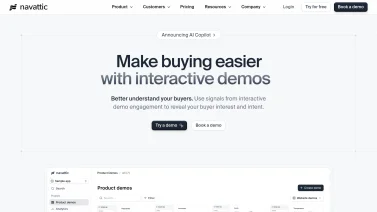

Navattic
Interactive product demos
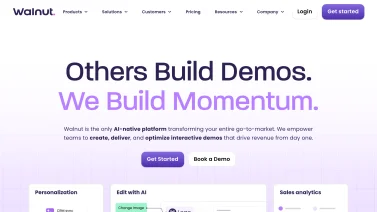

Walnut
Transform Your Sales Demos with Walnut
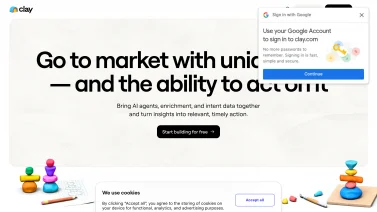

Clay
Supercharge your outreach with enriched data
Empowering Sales Teams with Enablement Tools
Effective sales enablement platforms consolidate content, training, and analytics into a single interface, allowing reps to locate the right resources at the moment of need. By tagging assets with metadata and linking them to specific stages of the buyer journey, the system reduces time spent searching and improves message consistency. Integrated coaching tools capture live call recordings, enabling managers to review performance and provide targeted feedback. The combination of real-time guidance and post-call insights helps teams refine techniques and close deals more efficiently.
When a sales organization adopts an enablement suite, data flows between CRM, marketing automation, and learning management systems, creating a feedback loop that informs future content creation. Automated reporting surfaces usage patterns, highlighting which playbooks drive the highest conversion rates and which materials are underutilized. This visibility empowers leaders to allocate resources strategically and adjust training curricula based on actual performance. Seamless integration with communication channels ensures that insights reach reps directly, fostering a culture of continuous improvement.
Core Capabilities
Effective sales enablement platforms combine several core capabilities that empower reps to close deals faster and more consistently. They centralize content, streamline learning, provide real-time guidance, deliver actionable insights, sync seamlessly with CRM systems, facilitate team communication, and automate routine tasks. Together these functions create a unified environment that supports every stage of the sales cycle.
Content Management and Distribution
A robust content management and distribution engine centralizes sales collateral, product datasheets, and case studies, making them searchable and accessible from any device. Version control ensures that reps always receive the most current assets, while tagging and categorization simplify discovery across diverse product lines. Integration with cloud storage allows seamless syncing, and permission settings restrict sensitive materials to authorized users. By delivering content through a unified portal, the system reduces time spent hunting for files and improves consistency in messaging. Automated distribution can push relevant assets to reps based on territory, industry, or deal stage, ensuring that each interaction is supported by the right information at the right moment.
Training and Coaching
Effective training and coaching modules combine interactive learning paths with real-time feedback to accelerate skill development. Microlearning videos, quizzes, and scenario-based simulations let salespeople practice techniques without leaving the platform. Managers can assign courses, track completion rates, and review performance dashboards to identify gaps. Coaching tools often include call recording playback, scorecards, and the ability to annotate specific moments for targeted improvement. By linking learning content to actual sales activities, the software reinforces knowledge application, while gamified elements keep engagement high. Continuous learning cycles help maintain a competitive edge as market conditions evolve.
Deal Guidance and Playbooks
Providing sellers with step-by-step guidance, these tools embed best-practice playbooks directly into the sales workflow. When a rep opens a new opportunity, the system suggests relevant stages, recommended content, and key questions to ask based on the deal size, industry, and buyer persona. Interactive checklists keep the team aligned with internal processes while allowing flexibility for unique scenarios. Integrated analytics capture which playbook elements drive progress, enabling continuous refinement without manual reporting. By surfacing the right resources at the right moment, the software helps reduce ramp-up time for new hires and ensures seasoned reps follow proven strategies, ultimately increasing win rates and shortening sales cycles.
Analytics and Performance Insights
Transforming raw interaction data into actionable intelligence, sales enablement platforms deliver dashboards that visualize win rates, content usage, and buyer engagement trends. By correlating coaching activities with deal outcomes, the software highlights which training modules drive the greatest performance improvements. Users can set custom alerts to flag underperforming reps or content gaps, enabling timely interventions. Historical comparisons reveal how changes in messaging or sales processes impact revenue cycles, while predictive models suggest next best actions for individual opportunities. The resulting insights empower managers to allocate resources strategically, refine enablement strategies, and foster a culture of continuous improvement across the sales organization.
CRM Integration
Seamless CRM integration ensures that sales enablement tools operate within the existing workflow rather than as a separate silo. Bidirectional sync updates contact records, opportunity stages, and activity logs in real time, reducing duplicate data entry. Contextual overlays bring relevant content, training modules, and playbook recommendations directly into the CRM interface, so reps can access resources without switching applications. The integration also allows for automated logging of content usage and coaching activities, enriching the CRM with deeper insight into buyer interactions. Maintaining a single source of truth across systems improves data accuracy and streamlines reporting for both sales and enablement teams.
Communication and Collaboration
Effective sales enablement platforms provide tools that let reps share content, discuss strategies, and coordinate activities in real time. Integrated chat, threaded discussions, and shared workspaces keep information flowing between marketing, sales, and support teams, reducing silos and ensuring everyone accesses the latest messaging. Contextual commenting on documents or proposals allows quick feedback without leaving the application, while notification settings keep users aware of relevant updates. Role-based permissions control who can view or edit specific assets, preserving security while fostering collaboration. By centralizing communication, these systems help align messaging, accelerate deal cycles, and maintain a consistent customer experience across all touchpoints.
Automation of Sales Processes
By streamlining repetitive tasks, sales enablement platforms free reps to focus on relationship building and closing deals. Workflow rules can trigger lead assignment, follow-up reminders, and document generation without human intervention, ensuring consistency across the team. Integrated data capture populates CRM fields automatically, reducing entry errors and providing real-time visibility into pipeline health. Conditional logic routes prospects through customized sequences, adapting content and timing based on engagement signals. Notifications alert managers to bottlenecks, allowing quick corrective action before opportunities slip away. The result is a more efficient sales cycle, higher productivity, and a smoother handoff between marketing and sales functions, all while maintaining accurate records for analysis and forecasting.
Business Benefits
When a sales organization adopts enablement tools, it gains a cohesive framework that aligns content, coaching, and analytics across the team. This unified approach empowers reps to access the right information at the right moment, reduces friction in deal progression, and creates a feedback loop that continuously refines strategy, ultimately driving stronger performance and more predictable outcomes.
Improved Win Rates
When sales teams have ready access to curated content, case studies, and competitive intelligence, they can tailor proposals to address each prospect's unique challenges. This relevance boosts confidence during negotiations and helps close deals that might otherwise stall. By aligning messaging with buyer needs, the software removes guesswork and enables reps to demonstrate clear value, which directly contributes to higher win rates across the organization.
Shortened Sales Cycles
Providing a centralized repository for playbooks, email templates, and demo scripts eliminates the time spent searching for assets, allowing reps to move swiftly from lead qualification to proposal delivery. Automated workflows guide each stage of the sales process, reducing manual handoffs and bottlenecks. As a result, opportunities progress more quickly, shortening overall sales cycles and freeing capacity for additional prospecting activities.
Consistent Messaging
A unified platform ensures that every sales representative draws from the same set of approved messaging, product positioning, and objection-handling scripts. This consistency prevents mixed signals that can confuse prospects and erode brand trust. By enforcing a single source of truth, the software helps maintain a coherent narrative across all channels, reinforcing the company's value proposition with each interaction.
Higher Rep Productivity
Automation of routine tasks such as logging activities, updating CRM fields, and retrieving relevant content allows reps to focus on high-value activities like relationship building and strategic selling. Integrated analytics highlight the most effective resources, enabling reps to prioritize actions that drive results. Consequently, overall productivity rises as salespeople spend less time on administrative work and more time engaging customers.
Better Forecast Accuracy
Real-time visibility into pipeline stages, deal health scores, and historical performance metrics provides managers with the data needed to make accurate forecasts. Predictive insights flag at-risk opportunities early, prompting timely interventions. By consolidating information from multiple sources, the software reduces reliance on guesswork and improves the reliability of revenue projections.
Scalable Onboarding
New hires can quickly access training modules, product documentation, and best-practice playbooks within a single system, accelerating their ramp-up period. Role-based learning paths and interactive simulations ensure that knowledge is applied consistently across the team. As the organization grows, the platform scales to support additional users without sacrificing the quality of onboarding, fostering a uniformly skilled salesforce.
Product Categories
Effective sales enablement relies on a suite of tools that streamline content, training, deal coordination, and performance insight. By grouping solutions into distinct categories, buyers can compare capabilities such as centralized asset libraries, instructional course delivery, automated quote management, and visual analytics, ensuring each function aligns with organizational goals.
Content Repositories
A robust content repository centralizes sales collateral, product datasheets, and presentation decks, making them searchable and instantly accessible across the organization. Version control ensures that reps always retrieve the latest approved assets, while permission settings protect sensitive materials. Integration with CRM and communication tools allows seamless embedding of content directly into outreach workflows, reducing time spent hunting for files.
Learning Management Systems
These platforms organize onboarding, product knowledge, and skill development into modular courses that sales reps can access on demand. Content can be linked to CRM data, allowing managers to assign relevant lessons based on territory or quota. Progress tracking and quizzes provide measurable insight, while integrations with video and interactive tools keep learning engaging and aligned with revenue goals.
Deal Desk Platforms
By centralizing quote creation, pricing approvals, and contract generation, these platforms reduce manual handoffs and accelerate deal velocity. They provide configurable workflows that enforce governance while allowing sales teams to access up-to-date product and discount information. Integrated analytics surface bottlenecks, enabling finance and sales leadership to refine policies and improve overall revenue efficiency.
Analytics Dashboards
By consolidating data from CRM, marketing automation, and customer support tools, these dashboards provide a unified view of sales performance. Users can drill down into pipeline stages, win rates, and activity metrics, while visual widgets highlight trends and outliers. Customizable filters enable teams to focus on specific territories, products, or time periods for targeted analysis.
Current Trends
Modern sales enablement platforms are evolving to meet the demands of increasingly dynamic buying cycles, blending intelligent content delivery with seamless workflow integration. As organizations prioritize agility, these tools now surface relevant assets at the right moment, embed coaching cues within everyday tasks, and surface live performance insights while connecting to remote selling ecosystems.
AI-Driven Content Recommendations
Machine learning algorithms analyze buyer signals and previous interactions to surface the most relevant sales collateral at the moment it is needed. By matching content to prospect intent, reps receive personalized recommendations that streamline preparation and increase relevance. This dynamic approach reduces manual searching and helps maintain consistent messaging across the team.
Embedded Coaching in Workflow
Coaching cues appear directly within the sales platform, prompting reps with best-practice tips as they draft emails or conduct calls. Contextual guidance draws from recorded successes and adapts to the current stage of the sales cycle. This seamless integration turns learning into an on-the-job activity rather than a separate training session.
Real-Time Performance Dashboards
Live dashboards aggregate activity metrics, deal progression, and engagement data to give managers instant visibility into team performance. Visual widgets update automatically, highlighting bottlenecks and forecasting outcomes based on current trends. This immediate feedback loop enables rapid course correction, encourages accountability, and aligns effort with strategic objectives.
Integration with Remote Selling Tools
Seamless connectors link sales enablement suites with video conferencing, virtual whiteboards, and digital signature platforms, creating a unified remote selling environment. Data flows between systems so that call recordings, presentation assets, and contract statuses are instantly accessible within the core workflow. This cohesion reduces context switching and supports consistent customer experiences.
Choosing a Solution
Selecting the right sales enablement platform requires balancing technical compatibility, ease of use, and robust security controls. Organizations must consider how the tool will fit into existing tech stacks, how intuitive it feels for daily users, and whether it meets regulatory standards. These factors together shape long-term adoption.
Assessing Integration Needs
Integration requirements shape the overall value of a sales enablement platform, so teams should map existing CRM, marketing automation, and communication tools before testing any solution. Compatibility with APIs, data synchronization frequency, and support for custom connectors determine how smoothly information flows across departments. Prioritizing flexible integration reduces manual data entry and accelerates adoption.
Evaluating User Experience
User experience drives daily engagement, therefore assessing interface intuitiveness, navigation speed, and mobile accessibility is essential. A platform that offers contextual content recommendations, searchable repositories, and drag-and-drop customization empowers sales reps to find assets quickly. Training requirements diminish when visual cues and consistent design patterns align with existing workflows, leading to higher productivity and faster onboarding.
Reviewing Data Security and Compliance
Data security and compliance considerations must be examined early, as sales enablement systems store sensitive client information and internal strategies. Look for encryption at rest and in transit, role-based access controls, and audit logging that satisfy industry regulations. Vendors that provide granular permission settings and regular third-party assessments help organizations mitigate breach risk while maintaining confidence in shared sales content.
Future Outlook
The next wave of sales enablement platforms will lean heavily on artificial intelligence to personalize content delivery and predict buyer intent. Machine learning models can analyze past interactions, surface relevant assets, and suggest optimal outreach timing without manual input. Seamless integration with CRM, marketing automation, and communication tools will become a baseline expectation, allowing data to flow freely across the revenue stack. Organizations that adopt these adaptive systems early will gain a measurable edge in responsiveness.
Advanced analytics will evolve from simple reporting to prescriptive guidance, highlighting gaps in knowledge sharing and recommending remedial training. Real-time dashboards will visualize how content is consumed across channels, helping coaches adjust messaging on the fly. As remote and hybrid sales teams become permanent, platforms will prioritize collaborative features such as shared workspaces, annotation tools, and integrated video coaching. This shift ensures that learning and selling remain tightly coupled regardless of physical location.
Frequently Asked Questions
Sales enablement software provides tools that organize content, deliver training, and give real-time insights to help sales teams engage prospects more effectively. It stores up-to-date product information, automates the distribution of presentations and proposals, and tracks usage to identify what resources drive results. By aligning marketing and sales, it shortens the buying cycle, improves consistency in messaging, and equips reps with the knowledge they need to close deals.
When evaluating sales enablement tools, look for robust content management that lets teams store, organize, and share the right assets at the right time. Training and onboarding features such as interactive modules, quizzes, and on-demand video help reps build skills quickly. Integration with CRM and other sales systems ensures data flows smoothly and eliminates duplicate entry. Analytics and reporting should reveal which content and training activities drive deals, while coaching tools enable managers to give targeted feedback. Mobile access and offline capability keep reps productive in the field.
Sales enablement software is designed to sit alongside existing CRM, marketing automation, and ERP platforms, sharing data through APIs or native integrations. It pulls customer insights from the CRM, aligns content with marketing campaigns, and can trigger workflow actions in the ERP for quote generation or order processing. By syncing with these tools, it ensures reps have up-to-date information without duplicating effort, creating a seamless sales workflow.
Teams often underestimate the need for clean data, leading to duplicate content and broken links that frustrate reps. They may also launch the tool without a clear rollout plan, causing low adoption and wasted licenses. To avoid these issues, start with a data audit, define simple onboarding steps, and assign a champion who trains users, gathers feedback, and iterates the content library regularly.