HR & Recruiting
Compare the best hr & recruiting tools. Read reviews, compare features and pricing.

Ashby
All-in-one recruiting software

BambooHR
HR software


Greenhouse
Hiring software
Gusto
Payroll & HR
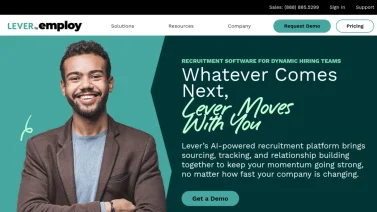

Lever
Recruiting software
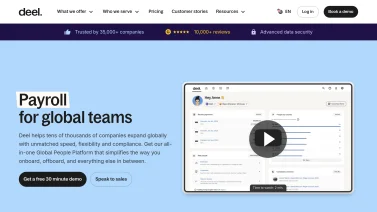
Deel
Global payroll


Workday
HR & finance
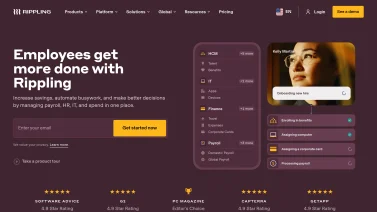
Rippling
HR platform

Kombo
Unified API for HR integrations

Gem
Engage Talent Like Never Before
Culture Amp
Transforming employee experiences for better workplaces
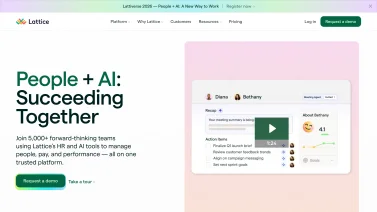

Lattice
Elevate Your People Management Experience
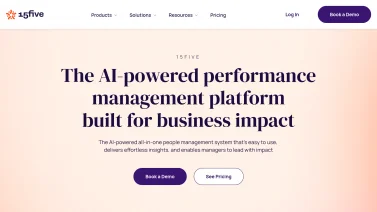

15Five
Elevate Your Team's Performance Effortlessly

Turing
Discover top tech talent with AI
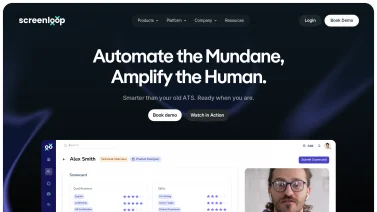
Screenloop
Enhance your hiring with interview intelligence.
Human Resources Software Enables Strategic Workforce Management
Human Resources software has evolved from administrative tools managing employee records into strategic business platforms that drive organizational success through talent management, workforce planning, and employee engagement. Modern HR systems consolidate recruiting, onboarding, performance management, payroll, and employee development into unified platforms that provide comprehensive visibility across the entire employee lifecycle. The shift from fragmented spreadsheets and manual HR processes to integrated HRMS (Human Resource Management Systems) platforms reflects organizational recognition that talent management directly impacts business outcomes and competitive advantage.
HR software extends far beyond record-keeping to become a strategic tool that influences how organizations attract talent, develop employee capabilities, and drive organizational performance. By automating routine administrative tasks, providing data-driven insights, and enabling employee self-service, modern HR platforms enable HR teams to focus on strategic initiatives that drive talent acquisition, development, and retention. Organizations implementing sophisticated HR software report improved employee satisfaction, faster hiring cycles, reduced compliance risk, and better workforce planning based on comprehensive employee and organizational data.
Core HR Software Capabilities and Modules
Effective HR platforms combine several essential capabilities that streamline the employee lifecycle from hire to retirement, allowing organizations to manage talent acquisition, onboarding, records, performance, compensation, benefits, and analytics within a unified system. This integration reduces manual effort, improves data accuracy, and supports strategic decision-making across the workforce.
Applicant Tracking and Recruiting
Applicant tracking systems (ATS) streamline the entire recruiting process from job posting through offer acceptance. Integrated job posting capabilities enable publishing positions across multiple job boards simultaneously, maximizing candidate reach. Resume parsing technology automatically extracts key information from candidate resumes including experience, skills, education, and employment history. Candidate screening automation ranks applicants based on defined criteria, reducing time required to identify qualified candidates. Communication workflows enable coordinating with candidates throughout the hiring process including interview scheduling, status updates, and offer management. Interview scheduling integration eliminates back-and-forth coordination, accelerating the hiring timeline. Offer tracking and acceptance management ensures smooth transition from hiring to onboarding. These recruiting capabilities typically reduce time-to-hire significantly, enabling organizations to fill positions faster and secure top talent before competitors.
Employee Onboarding and Workflows
Onboarding automation ensures consistent, comprehensive employee integration regardless of hiring manager. Customizable onboarding workflows can be configured for different job levels, departments, or locations. Task automation creates workflows that guide new employees and managers through required onboarding activities. Document management centralizes onboarding materials enabling rapid access to required forms and information. Training assignment ensures new employees receive necessary role-specific training. Manager communication workflows keep managers engaged in onboarding and responsible for completion of required tasks. Completion tracking monitors onboarding progress and identifies bottlenecks. These onboarding capabilities accelerate time-to-productivity, improve employee satisfaction, and ensure compliance with organizational requirements and legal obligations.
Employee Records and Information Management
Centralized employee databases eliminate scattered spreadsheets and inconsistent data while providing authorized users instant access to employee information. Comprehensive employee profiles capture essential information including contact details, employment history, compensation, benefits, and performance data. Document management enables storing employment contracts, background checks, and other employee documentation in centralized locations. Employee directory features enable quick employee lookup and team visibility. Data access controls ensure that employee information remains secure and accessible only to authorized personnel. Emergency contact management maintains critical employee information for emergencies. These record management capabilities improve data accuracy, enable quick access to information when needed, and support compliance with employment record requirements.
Performance Management and Development
Performance management systems enable tracking employee performance throughout the year rather than relying solely on annual reviews. Goal setting and tracking enables managers and employees to define objectives, track progress, and align individual goals with organizational objectives. Continuous feedback capabilities enable providing regular input rather than waiting for formal reviews. 360-degree feedback systems gather input from managers, peers, and direct reports providing comprehensive performance perspectives. Performance review workflows guide managers through structured evaluation processes. Development planning identifies training and experience employees need to advance career goals. Competency assessment identifies skill gaps and training needs. Succession planning features identify high-potential employees and development pathways for critical roles. These performance management capabilities improve employee engagement, identify development opportunities, and support retention of top talent.
Payroll and Compensation Management
Integrated payroll automation handles complex compensation calculations including salary, hourly wages, overtime, bonuses, and deductions. Attendance and time tracking integration ensures payroll reflects actual hours worked and absences. Tax calculation automation handles federal, state, and local tax withholding according to employee classification and location. Direct deposit and payment processing enables employees to receive compensation through bank transfer. Pay stub generation provides employees transparent view of earnings and deductions. Compliance support ensures adherence to employment law including wage and hour regulations and reporting requirements. Bonus and incentive compensation management handles variable compensation structures. Multi-currency support enables organizations with international employees to manage compensation across currencies. These payroll capabilities reduce errors, improve compliance, and provide employees transparent compensation information.
Benefits Administration
Benefits management platforms simplify enrollment, administration, and employee communication around benefits programs. Employee self-service enables employees to enroll in benefits during open enrollment periods without requiring HR involvement. Benefits comparison tools help employees understand available options and select appropriate coverage. Plan administration tracking manages multiple benefit providers and coordinates across plans. Billing and compliance automation ensures timely invoicing and maintains compliance with regulatory requirements. Dependent and beneficiary management captures necessary information for family coverage. Claims and appeals support enables employee access to benefit claim status and appeals processes. Benefit communication materials ensure employees understand available benefits and how to access them. Open enrollment workflows streamline annual enrollment periods. These benefits capabilities improve employee satisfaction, reduce administrative overhead, and ensure compliance with employment law.
Workforce Analytics and Reporting
Real-time dashboards provide visibility into key HR metrics including headcount, turnover, diversity, and compensation. Customizable reports enable analyzing HR data from multiple perspectives to answer specific business questions. Predictive analytics identify at-risk employees likely to depart. Turnover analysis reveals patterns in departures and identifies retention opportunities. Compensation analysis ensures pay equity and competitive positioning. Diversity tracking monitors organizational progress toward diversity and inclusion goals. Cost analysis tracks HR-related expenses and identifies optimization opportunities. Workforce forecasting based on historical data and organizational plans helps predict future talent needs. Trend analysis reveals patterns in hiring, performance, and other workforce metrics. These analytics capabilities enable HR teams to provide data-driven insights informing strategic decisions.
Key Benefits of HR Software Implementation
Implementing HR and recruiting software transforms core people processes, turning routine tasks into streamlined workflows while providing real-time insight into workforce dynamics. This foundation supports smoother operations, stronger compliance, richer employee experiences, and more strategic talent decisions, all of which scale as the organization expands.
Reduced Administrative Burden and Operational Efficiency
HR automation eliminates time-consuming manual administrative tasks enabling HR teams to redirect efforts toward strategic initiatives. Automated payroll processing eliminates manual calculation errors and reduces processing time. Self-service capabilities enable employees to manage routine HR tasks including updating personal information, requesting time off, and enrolling in benefits without HR involvement. Workflow automation handles routine processes including onboarding, performance review cycles, and offboarding. These efficiency gains typically enable small and mid-size organizations to operate with smaller HR teams while larger organizations can redirect HR focus toward strategic talent management.
Improved Compliance and Risk Reduction
HR software tracks regulatory requirements and automates compliance activities reducing the risk of employment law violations. Audit trails document all system changes and actions supporting regulatory investigations. Tax compliance automation ensures adherence to complex federal, state, and local employment tax requirements. Documentation management maintains records required by employment law and litigation support. Diversity tracking supports compliance with affirmative action and EEO requirements. Training record management tracks required compliance training completion. These compliance capabilities reduce exposure to penalties, lawsuits, and regulatory sanctions.
Enhanced Employee Experience and Engagement
Self-service capabilities enable employees to manage their own information and requests improving experience and satisfaction. Mobile accessibility enables employees to access HR systems from anywhere. Transparent communication about benefits, compensation, and opportunities increases employee understanding and engagement. Feedback systems enable employees to provide input on organizational initiatives. Recognition and career development capabilities demonstrate organizational investment in employee success. These employee experience improvements support retention and engagement.
Better Talent Acquisition and Retention
HR software streamlines recruiting enabling faster hiring and access to larger candidate pools. ATS systems maintain historical candidate information enabling reaching out to qualified candidates for future positions. Career development tracking identifies high-potential employees for advancement opportunities. Retention analytics identify at-risk employees enabling proactive intervention. Competitive compensation analysis ensures competitive positioning in talent market. These talent management capabilities support both acquiring top talent and retaining valuable employees.
Data-Driven HR Decision Making
Comprehensive analytics enable HR teams to understand workforce trends and make decisions based on data rather than intuition. Turnover analysis reveals underlying causes of departures informing retention strategies. Compensation benchmarking ensures competitive and equitable pay. Performance analytics identify top performers and coaching opportunities. Diversity analytics reveal organizational progress toward inclusion goals. Cost analysis identifies HR process optimization opportunities. These data-driven insights enable strategic HR decisions with measurable business impact.
Scalability for Organizational Growth
HR software enables organizations to scale operations without proportional growth in HR headcount. New employees can complete onboarding without personal HR assistance. Standardized processes scale consistently as organization grows. Centralized records enable rapid access to employee information across larger organizations. Compliance automation maintains adherence to requirements as organization grows in complexity. These scalability benefits enable organizations to grow revenue and headcount efficiently.
HR Software Categories and Solutions
The HR software landscape is divided into distinct categories, each addressing specific organizational needs. Some solutions provide an all-in-one suite that manages employee data, benefits, and performance, while others specialize in talent acquisition or payroll processing. Understanding these variations helps businesses select tools that align with their size, workflow, and strategic priorities.
Comprehensive HRMS Platforms
Full-featured HRMS solutions consolidate recruiting, onboarding, employee records, performance management, payroll, and benefits into unified platforms. Comprehensive solutions provide deep integration between modules enabling coordinated processes. These platforms typically serve mid-market and enterprise organizations managing complex HR requirements across multiple departments and locations. Comprehensive HRMS implementations typically require professional services but provide significant value through integrated processes and elimination of duplicate data entry.
Recruiting-Focused Solutions
Specialized recruiting platforms emphasize applicant tracking, candidate sourcing, and hiring process management. These solutions typically provide minimal HR administration capability, focusing specifically on optimizing the recruiting process. Recruiting platforms are ideal for organizations with high-volume hiring needs or specialized recruiting requirements. These platforms typically integrate with broader HRMS platforms or payroll systems to form complete HR solutions.
Small Business HR Software
Simplified HR solutions designed for small teams emphasize essential capabilities including employee records, payroll, and basic reporting without overwhelming complexity. Small business HR software typically offers affordable pricing and rapid implementation enabling quick deployment. Many offer integration with accounting systems supporting small business financial management. These solutions are ideal for growing organizations seeking to implement discipline without extensive overhead.
Payroll-Focused Solutions
Specialized payroll platforms emphasize accurate, compliant payroll processing with integrated time tracking and benefits administration. Payroll solutions are ideal for organizations needing sophisticated payroll processing but relying on separate HRMS platforms for other HR functions. Many payroll platforms offer mobile applications enabling employee time tracking and self-service access.
Current Trends in HR Technology
Modern HR technology is converging on platforms that blend data-driven insights with employee-centric tools, creating ecosystems that support every stage of the talent lifecycle. These solutions enable smarter hiring, personalized experiences, holistic well-being, and inclusive practices, reflecting the shifting priorities of organizations seeking agile, people-focused operations.
AI-Powered Recruitment and Talent Management
Artificial intelligence is rapidly transforming HR capabilities. Intelligent resume screening prioritizes qualified candidates based on job requirements. Predictive analytics identify candidates likely to be successful in specific roles. Chatbots enable 24/7 recruitment inquiry response. Talent recommendation systems identify internal candidates for advancement opportunities. These AI capabilities accelerate recruiting and improve hiring quality.
Enhanced Employee Experience and Self-Service
HR platforms increasingly emphasize employee experience with intuitive self-service capabilities. Employee mobile applications enable managing HR tasks from smartphones. Digital onboarding experiences streamline new employee integration. AI-powered chatbots provide HR support without requiring human involvement. Social collaboration features enable employee connection and engagement. These employee experience enhancements support retention and engagement.
Integrated Wellness and Employee Well-Being
HR platforms increasingly incorporate wellness programs and employee well-being support. Mental health resources and EAP integration support employee well-being. Wellness challenge integration encourages healthy behaviors. Burnout risk identification enables proactive intervention. Work-life balance tracking supports sustainable workload management. These well-being capabilities reflect recognition that employee health directly impacts performance and retention.
Diversity, Equity, and Inclusion Features
HR platforms increasingly include dedicated DEI capabilities. Diversity tracking monitors organizational progress toward inclusion goals. Bias detection in recruiting processes identifies potential discrimination. Pay equity analysis identifies compensation gaps. Inclusion initiatives tracking measures progress toward belonging. These DEI features support organizations pursuing diversity and inclusion goals.
Selecting Appropriate HR Solutions
Choosing the right HR and recruiting platform begins with a clear picture of business needs, ensuring the tool aligns with talent strategies and compliance demands. Compatibility with existing payroll, ERP, and communication systems reduces friction, while realistic rollout timelines and manageable implementation steps safeguard adoption and long-term success.
Assessing Organizational Requirements
Selecting HR software requires understanding specific organizational needs rather than adopting industry-standard platforms. Organizations should evaluate current HR processes, pain points, organizational size, and growth plans. Considerations include recruiting volume, payroll complexity, employee count, and geographic distribution. Pilot implementations enable evaluation of user experience and functionality before full deployment. Involving both HR professionals and end users in selection ensures solutions address actual requirements.
Integration and System Compatibility
Evaluate HR platform ability to integrate with existing systems including accounting, payroll, and business intelligence platforms. Strong integration reduces duplicate data entry and ensures consistency across systems. Organizations should understand API capabilities enabling custom integrations with specialized systems. Pre-built integration marketplaces provide pre-constructed connectors reducing implementation complexity.
Implementation Complexity and Timeline
Evaluate implementation timelines and required professional services. Quick implementations enable rapid value realization but may skip important customization. Extended implementations provide thorough configuration but delay benefits. Organizations should understand required training and ongoing support needs. Total cost of ownership including implementation services often exceeds software license costs.
The Future of HR Technology
HR software will continue evolving toward greater intelligence, enhanced employee experience, and deeper integration with broader business systems. Artificial intelligence will handle increasingly sophisticated recruiting, analytics, and talent recommendations. Voice interfaces and mobile-first design will enable interaction through multiple modalities. Integration with business intelligence platforms will provide comprehensive workforce insights. Emphasis on employee experience and well-being will continue increasing. Organizations prioritizing HR technology investment position themselves to compete effectively for talent while maintaining compliance and operational efficiency.
Modern HR software represents essential business infrastructure that directly impacts talent acquisition, employee engagement, and organizational performance. By automating administrative tasks, providing data-driven insights, and enabling employee self-service, HR platforms enable organizations to manage talent strategically while maintaining compliance and operational efficiency. Organizations selecting appropriate solutions and implementing them effectively gain significant competitive advantages through improved talent management, employee satisfaction, and organizational performance.
Frequently Asked Questions
HR and recruiting software automates the process of attracting, tracking, and hiring talent, while also managing employee information once a person is onboarded. It centralises job postings, applicant resumes, interview scheduling and communication, reducing manual paperwork and improving candidate experience. The system stores employee records, benefits, performance reviews and compliance data, making it easier for HR teams to access accurate information, generate reports and stay organized as the workforce grows.
When evaluating HR and recruiting solutions, look for robust applicant tracking that streamlines posting, screening and interview scheduling. Seamless onboarding tools help move new hires from offer to productive status quickly. Performance management features, such as goal setting and continuous feedback, support employee growth. Strong reporting and analytics give insight into hiring metrics and workforce trends. Integration with payroll, benefits and other HR systems reduces duplicate data entry. Mobile access and a user-friendly interface improve adoption across the organization. Compliance tools help ensure policies and regulations are followed.
HR and recruiting platforms typically connect to payroll, time-tracking, and finance tools through standard APIs or built-in connectors, allowing employee data to flow automatically between systems. They also sync with email, calendar, and collaboration apps to streamline interview scheduling and communication. By sharing a common data model, the software reduces duplicate entry, improves reporting consistency, and helps maintain a single source of truth across the organization.
Teams often underestimate the need for clear data migration rules, leading to duplicate or missing employee records. Insufficient training creates resistance, because users cannot see how the new workflow improves daily tasks. To avoid these issues, define a detailed migration plan, involve key stakeholders early, and schedule hands-on training sessions that focus on real-world scenarios. Regular check-ins help catch problems before they become entrenched.