Security
Compare the best security tools. Read reviews, compare features and pricing.

1Password
Password manager

LastPass
Password manager

Auth0
Authentication

Okta
Identity management

Secureframe
Security compliance platform
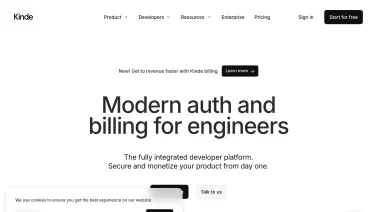

Kinde
Authentication for modern applications
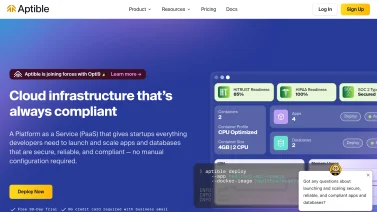

Aptible
Effortless Security Management for Businesses
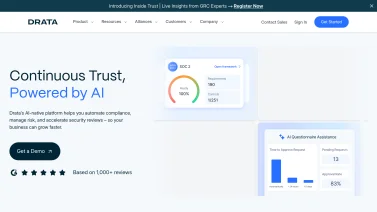

Drata
Automate Your Security Compliance Process
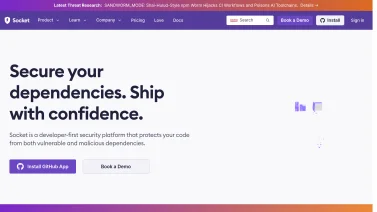

Socket
Secure your supply chain with confidence


Axiom
Log management made effortless and intuitive
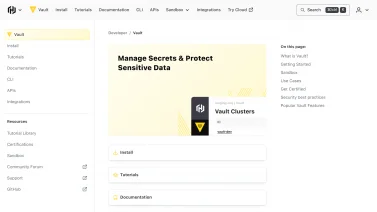

Vault
Manage secrets and protect sensitive data
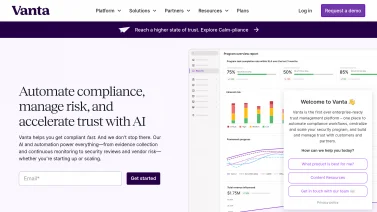

Vanta
Streamline your security compliance effortlessly
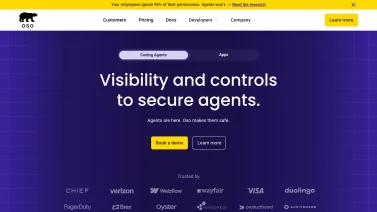

Oso
Secure Your Applications with Oso
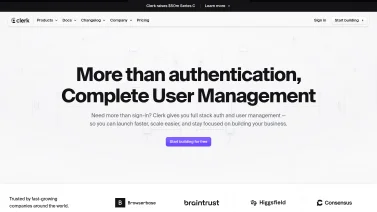

Clerk
Streamlined user management for your apps
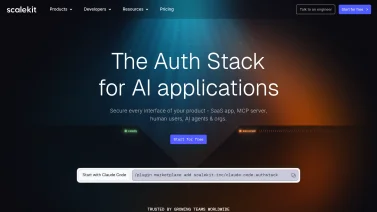

Scalekit
Streamline your enterprise authentication effortlessly.
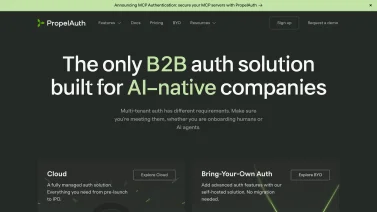

PropelAuth
Seamless Authentication for B2B SaaS


Permit.io
Streamline Your Permissions Management Effortlessly
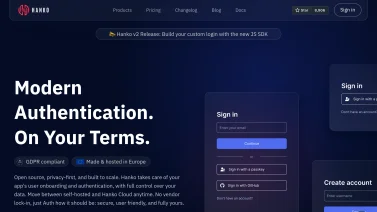

Hanko
Secure authentication made simple with Hanko.
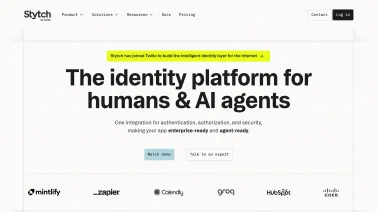

Stytch
Seamless Authentication for Modern Applications

Cerbos
Unlock seamless user authorization with Cerbos.

GitGuardian
Protecting your code, securing your secrets.
Security Platforms Protect Data and Ensure Compliance
Security platforms have evolved from basic firewalls into comprehensive ecosystems that protect identities, manage access, detect threats, and ensure regulatory compliance at scale. Modern security solutions consolidate identity management, multi-factor authentication, encryption, vulnerability management, threat detection, and compliance monitoring into unified environments that streamline how organizations protect critical assets. The transformation from perimeter-based security to identity-centric, continuous monitoring reflects organizational recognition that sophisticated threats and regulatory requirements demand proactive, comprehensive security strategies.
Security software extends far beyond traditional firewalls to become strategic business infrastructure that influences how organizations protect data, maintain customer trust, and manage compliance risk. By enabling robust identity verification, detecting threats in real-time, automating compliance, and providing security visibility, modern security platforms enable organizations to maintain strong security posture while supporting business operations. Organizations implementing sophisticated security strategies report reduced breach risk, improved compliance, faster threat detection, and enhanced operational resilience.
Core Security Capabilities
Effective security platforms combine multiple protective layers, ensuring that identities are verified, credentials are safeguarded, and suspicious activity is swiftly identified. By integrating encryption, continuous monitoring, and compliance reporting, these tools help organizations maintain data integrity while meeting regulatory demands, ultimately reducing risk across the entire digital environment.
Identity and Access Management
Comprehensive identity platforms manage user credentials and permissions. Single sign-on simplifies authentication. Multi-factor authentication adds security layers. Role-based access control limits permissions. Privileged access management secures sensitive accounts. Identity analytics detect anomalies. Automated provisioning manages user lifecycle. These identity capabilities prevent unauthorized access.
Password Management and Secrets
Secure password vaults protect credentials. Strong password generation creates complex passwords. Password sharing enables secure collaboration. Multi-factor authentication protects password vaults. Vault encryption ensures security. Access logging tracks usage. Compliance management maintains policies. These password capabilities prevent credential theft.
Multi-Factor Authentication
Multiple authentication factors verify identity. Hardware security keys provide strong verification. Biometric authentication uses fingerprints and faces. Time-based one-time passwords provide temporary codes. Push notifications enable easy approval. Adaptive authentication adjusts based on risk. Step-up authentication adds security when needed. These MFA capabilities strengthen authentication.
Threat Detection and Response
Continuous monitoring detects suspicious activity. Real-time alerts notify security teams. Threat analysis identifies patterns. Incident response automation contains threats. Forensic analysis investigates incidents. Playbook automation enables rapid response. Integration with security tools enables coordination. These detection capabilities enable rapid response.
Vulnerability Management
Automated scanning identifies vulnerabilities. Vulnerability prioritization focuses efforts. Patch management deploys fixes. Risk assessment guides remediation. Compliance scanning ensures adherence. Vulnerability tracking monitors status. Reporting enables visibility. These capabilities reduce exposure.
Data Protection and Encryption
Data classification identifies sensitive information. Encryption protects data at rest and in transit. Key management secures encryption keys. Data loss prevention prevents exfiltration. Endpoint protection secures devices. Secure file transfer protects transmission. Compliance encryption meets requirements. These data capabilities protect information.
Compliance and Audit Management
Compliance monitoring ensures adherence to standards. Automated controls implement requirements. Evidence collection supports audits. Policy enforcement maintains standards. Audit trails track all activities. Compliance reporting demonstrates adherence. Assessment tools identify gaps. These compliance capabilities manage regulatory requirements.
Key Benefits of Security Implementation
Implementing security software creates a foundation that strengthens an organization's overall defense posture, enabling proactive risk mitigation and streamlined operations. By integrating advanced detection capabilities, compliance frameworks, and centralized visibility, businesses can respond to incidents more swiftly, maintain regulatory standards, and foster confidence among customers and partners, all while reducing the workload on security teams.
Significantly Reduced Breach Risk
Strong authentication prevents unauthorized access. Real-time detection catches threats early. Vulnerability patching eliminates exploitable weaknesses. Data encryption protects if breached. These protections reduce breach probability and impact.
Improved Compliance and Risk Management
Compliance automation ensures adherence. Evidence collection supports audits. Regular assessments identify risks. Documented controls enable compliance. These improvements manage compliance burden and risk.
Faster Threat Detection and Response
Real-time monitoring detects threats immediately. Automated response contains incidents. Alert systems notify teams rapidly. Analysis capabilities identify root causes. These speed up response and reduce damage.
Better Visibility and Control
Centralized dashboards provide visibility. Real-time monitoring reveals activities. Detailed logging enables investigation. Analytics identify patterns. These insights enable better decision-making.
Enhanced Customer Trust and Reputation
Strong security demonstrates commitment. Compliance adherence builds confidence. Transparent communication maintains trust. Incident response shows preparedness. These factors strengthen reputation.
Reduced Security Operations Overhead
Automation eliminates manual tasks. Centralized management simplifies operations. Orchestration coordinates security tools. Alert tuning reduces false alarms. These efficiencies improve team productivity.
Security Platform Categories
Modern security platforms are organized into distinct categories that address specific risk vectors, allowing organizations to deploy focused controls across their environment. By grouping solutions, buyers can compare capabilities, understand integration points, and align technology with strategic objectives, ensuring comprehensive protection without overlapping functionality.
Identity and Access Management
IAM-focused platforms specialize in identity. Okta provides cloud-based IAM. Azure AD handles enterprise identity. Ping Identity emphasizes developer experience. These platforms excel at identity and access.
Password and Secrets Management
Password-focused platforms secure credentials. LastPass emphasizes ease of use. 1Password provides family and business options. Dashlane emphasizes security. These platforms secure sensitive credentials.
Network and Endpoint Security
Network security tools protect infrastructure. CrowdStrike emphasizes endpoint detection. SentinelOne provides comprehensive endpoint protection. These platforms protect infrastructure.
Compliance and Governance
Compliance-focused platforms ensure adherence. Vanta automates compliance. Drata handles SOC 2 compliance. These platforms manage compliance requirements.
Current Trends in Security
The security landscape is evolving rapidly as organizations confront increasingly sophisticated threats while balancing flexibility and compliance. Emerging models emphasize continuous verification, intelligent analytics, and seamless protection across diverse environments. This shift reflects a broader commitment to safeguarding data, preserving privacy, and adapting defenses to modern, distributed architectures.
Zero Trust Architecture Adoption
Zero trust verifies every access attempt. Assume breach mentality drives design. Continuous verification replaces perimeter. Identity becomes the new perimeter. Zero trust adoption continues growing.
AI-Powered Threat Detection
Machine learning detects anomalies. Behavioral analytics identify threats. Predictive analysis anticipates attacks. Automated response contains threats. AI-powered detection continues advancing.
Cloud and Hybrid Security
Cloud security becomes critical. Multi-cloud strategies increase complexity. Hybrid environments require unified security. Cloud security adoption accelerates.
Privacy and Data Protection Focus
GDPR and privacy regulations drive focus. Data protection becomes paramount. Privacy-first design principles emerge. Encryption adoption accelerates.
Selecting Appropriate Security Solutions
Choosing the right security solution requires balancing protection goals with practical constraints, ensuring that the technology aligns with an organization's threat profile while fitting smoothly into existing workflows. This involves examining how well the tools address identified risks, how they interact with current infrastructure, and what resources are needed for deployment and ongoing support.
Assessing Security Needs and Risks
Platform selection requires understanding risks. Evaluate threat landscape and compliance needs. Industry and data sensitivity matter. Organization size affects approach. Different needs benefit from different platforms.
Considering Integration and Ecosystem
Evaluate integration capabilities. SIEM integration enables centralization. IAM integration enables identity verification. Endpoint integration provides visibility. Strong ecosystem supports security operations.
Assessing Implementation and Support
Implementation complexity varies. Deployment options range from cloud to on-premise. Support quality affects outcomes. Training accelerates adoption. Professional services support implementations.
The Future of Security
Security will continue evolving toward greater automation, intelligence, and integration. Artificial intelligence will increasingly identify threats. Zero trust will become standard. Quantum computing will change encryption. Organizations prioritizing security innovation position themselves for protection and compliance.
Modern security platforms represent essential infrastructure that directly impacts data protection, compliance, and organizational resilience. By enabling robust identity verification, detecting threats in real-time, automating compliance, and providing security visibility, security platforms enable organizations to maintain strong security posture. Organizations implementing sophisticated security strategies gain significant competitive advantages through reduced breach risk, improved compliance, faster threat response, and enhanced customer trust.
Frequently Asked Questions
Security software protects a company's digital assets by detecting, blocking, and responding to threats such as malware, ransomware, phishing attempts, and unauthorized access. It monitors network traffic, scans files, and enforces policies that limit exposure to risky behavior. By centralizing alerts and providing tools for remediation, it helps maintain data integrity, comply with regulations, and reduce the impact of potential breaches on operations.
When evaluating security software, focus on threat detection breadth, real-time monitoring, and response automation. Look for solutions that integrate well with existing systems, support multiple platforms, and provide clear reporting for compliance needs. Encryption and data loss prevention features are essential for protecting sensitive information. Consider the ease of policy management, the ability to scale with growth, and the availability of expert support during incidents.
Security software is designed to sit alongside existing applications, network devices and cloud services, sharing data through standard protocols and APIs. It can receive logs from servers, monitor traffic on routers, and enforce policies on endpoints without replacing core business tools. Integration points often include single sign-on, directory services and automated alerting, allowing the security layer to complement rather than disrupt current workflows.
Teams often skip a thorough inventory of existing assets, causing blind spots in policy coverage. They may also deploy default configurations without tailoring rules to business workflows, leading to false alerts or blocked legitimate activity. Insufficient training results in users disabling protections out of frustration. To avoid these issues, conduct a detailed asset audit, customize policies to reflect real processes, run pilot phases to fine-tune settings, and provide clear, ongoing training and support for all users.