Communication
Compare the best communication tools. Read reviews, compare features and pricing.
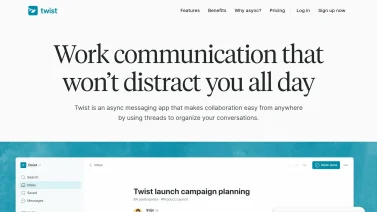
Twist
Async team communication

Front
Customer communication hub


Loom
Video messaging for work


Discord
Chat for communities


Chanty
Team chat for productivity

Grain
AI meeting notes


Around
Video calls reimagined

Slack
Team communication

Fireflies.ai
AI meeting assistant

Otter.ai
AI meeting notes


Whereby
Browser video calls


Google Meet
Video meetings
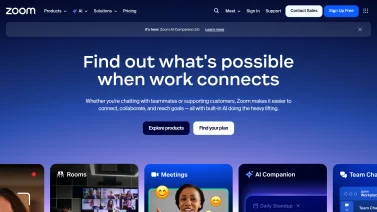

Zoom
Video conferencing
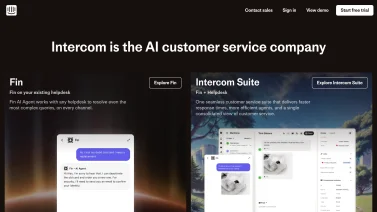

Intercom
Customer messaging


Knock
Empower Your Notifications with Knock
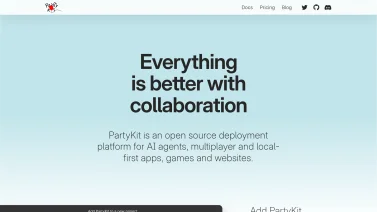

PartyKit
Everything realtime, multiplayer


Tawk.to
Engage customers instantly with free chat!


SendGrid
Reliable Email Delivery Made Easy
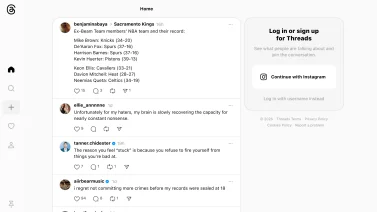

Threads
Empowering teams with seamless async communication.
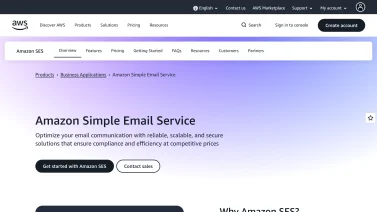

Amazon SES
Reliable Email Sending Service for Your Business
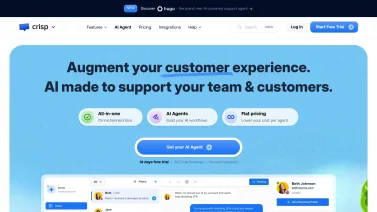

Crisp
All-in-one messaging platform


Discourse
Engage in meaningful discussions with Discourse.
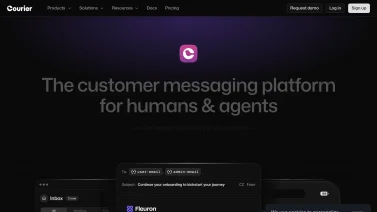

Courier
Build brilliant notification experiences
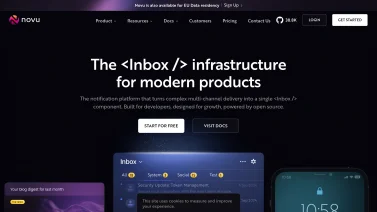

Novu
Empower Your Notifications with Open Source
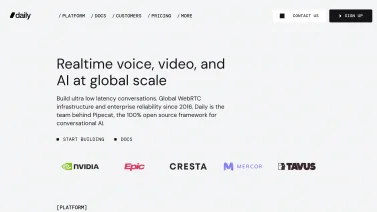

Daily.co
Integrate Video & Audio Effortlessly
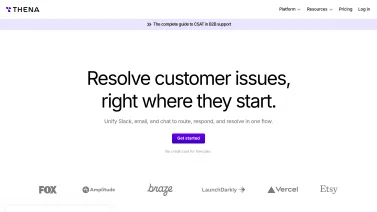

Thena
Elevate Your Customer Engagement on Slack


Olark
Live chat that boosts sales and support efficiency


Loops
Email tailored for SaaS needs


Circle
Empower your community, amplify your voice.
Understanding Business Communication Tools in Modern Workplaces
Business communication tools have fundamentally transformed how organizations connect, collaborate, and execute work in the digital era. These platforms integrate multiple communication channels (including instant messaging, video conferencing, email, and voice calling) into unified ecosystems that streamline how teams interact regardless of their physical location. The evolution from siloed communication systems to integrated platforms reflects the growing complexity of modern work environments where distributed teams, multiple time zones, and hybrid work arrangements have become the norm.
Communication SaaS solutions represent a critical investment for organizations seeking to enhance productivity, reduce operational friction, and foster stronger team cohesion. Unlike legacy communication systems requiring significant infrastructure investment and ongoing maintenance, cloud-based communication platforms offer immediate deployment, scalability, and the flexibility to adapt to changing organizational needs. These tools serve as the central nervous system of modern enterprises, enabling information flow that drives decision-making, collaboration, and business outcomes.
Core Communication Channels and Capabilities
Effective collaboration relies on a blend of real-time and asynchronous tools that connect teams across locations and time zones. These capabilities include instant messaging, video meetings, voice calls, email integration, and shared document workspaces, enabling seamless information flow and decision making within modern organizations.
Team Messaging and Chat Platforms
Team messaging applications have revolutionized internal communication by replacing fragmented email threads with organized, channel-based conversations. Modern chat platforms organize discussions by project, department, or topic, enabling teams to maintain context and searchability across all interactions. These systems support both synchronous communication for immediate collaboration and asynchronous messaging that respects different time zones and work styles. Built-in threading capabilities allow teams to branch discussions without cluttering main channels, while searchable message history ensures critical information remains easily accessible. File sharing directly within chat interfaces eliminates the need to switch between applications, and integration capabilities with productivity tools mean teams can receive notifications and updates without leaving their primary communication platform.
Video Conferencing and Face-to-Face Collaboration
Video conferencing has evolved from simple screen-sharing tools to comprehensive collaboration platforms that enable remote teams to recreate the richness of in-person meetings. Modern video solutions support high-definition video and audio with adaptive bitrate technology that maintains quality across varying network conditions. Screen sharing capabilities have advanced to include real-time collaborative document editing, virtual whiteboards, and annotation tools that transform passive viewers into active participants. Recording and transcription features ensure that team members unable to attend live sessions can review content asynchronously, with automatic transcripts making discussions searchable and accessible. Meeting rooms with customizable backgrounds, breakout sessions for small group discussions, and participant engagement tools like polls and reactions enhance the interactive experience. Many platforms now include AI-powered features such as automatic meeting highlights, action item extraction, and intelligent summarization that capture key decisions without requiring manual note-taking.
Voice Communication and Phone Integration
Unified communications platforms integrate voice capabilities with other communication channels, allowing teams to switch seamlessly between chat, video, and phone calls from a single interface. Cloud-based phone systems eliminate the need for traditional on-premise PBX infrastructure while offering advanced features like intelligent call routing, voicemail-to-text transcription, and call recording. These systems support both internal communications and external calling to traditional phone networks, enabling organizations to consolidate communications infrastructure. Mobile applications ensure that team members can answer calls and access phone features from any location, supporting remote and hybrid work arrangements. Integration with contact management systems and call history provides valuable context for every interaction, improving response quality and customer service effectiveness.
Email and Formal Communication
While newer platforms emphasize real-time collaboration, email remains essential for formal communications, documentation, and external correspondence. Modern email systems now integrate with team messaging platforms, project management tools, and customer relationship management systems to provide comprehensive communication ecosystems. Advanced features like email threading, priority inbox, and intelligent filtering help teams manage communication volume effectively. Shared mailboxes and delegation capabilities enable teams to manage incoming communications collectively, ensuring responsive customer service and reducing individual email burden.
Document Collaboration and Shared Workspaces
Contemporary communication platforms extend beyond simple message exchange to include collaborative document creation and editing. Real-time co-authoring capabilities allow multiple team members to work on documents simultaneously with automatic conflict resolution and version control. Inline commenting and threaded discussions keep feedback contextual and organized. Shared workspaces consolidate documents, conversations, and task management into unified environments where teams can access all project-related materials without hunting across multiple applications. These integrated approaches significantly reduce context-switching and improve team efficiency by providing single points of reference for all project information.
Key Benefits of Modern Communication Solutions
Modern communication platforms break down barriers, enabling seamless information flow that fuels faster decision-making and stronger alignment across functions. By unifying chat, video, and file sharing, they diminish reliance on fragmented tools, creating a cohesive digital workspace where ideas circulate effortlessly and teams respond to challenges with agility.
Enhanced Team Collaboration and Reduced Silos
Communication tools dissolve organizational silos by creating transparent channels where knowledge flows freely across departments and hierarchical levels. When discussions occur in visible channels rather than private emails, other team members can learn from decisions and contribute expertise even if they weren't initially included in conversations. This transparency reduces duplicated effort, improves cross-functional collaboration, and accelerates problem-solving by connecting relevant expertise regardless of organizational structure. Teams that utilize organized communication channels report significantly improved coordination on complex projects requiring input from multiple departments.
Improved Productivity and Reduced Meeting Load
Asynchronous communication capabilities significantly reduce meeting burden by enabling teams to collaborate without requiring synchronous participation. With detailed written communications, threaded discussions, and recorded video messages, many decisions and updates can occur without scheduling formal meetings. When meetings do occur, they become more focused and productive because participants have reviewed context asynchronously beforehand. Research indicates that professionals spend an average of 12 hours weekly preparing for and attending meetings; communication platforms reduce this burden substantially by enabling work to occur without constant meeting interruptions. Additionally, the ability for team members to work during their peak productivity hours rather than being constrained by meeting schedules improves overall output quality and individual work satisfaction.
Global Team Coordination Across Time Zones
Distributed teams spanning multiple time zones face unique coordination challenges that modern communication tools are specifically designed to address. Asynchronous messaging enables team members to contribute at times that align with their local work hours rather than forcing participation in inconvenient meeting times. Comprehensive search capabilities and organized message history ensure that decision context remains accessible regardless of when team members join the conversation. Time zone-aware scheduling features simplify the process of finding meeting times that work for distributed teams. For organizations with truly global operations, these capabilities transform what could be impossible coordination challenges into manageable workflows where every team member can contribute meaningfully.
Centralized Information and Reduced Context-Switching
Integrating multiple communication channels into unified platforms eliminates the need for employees to maintain separate accounts and constantly switch between applications. When messages, documents, files, calls, and task management coexist in single platforms, employees can access comprehensive context without navigating across systems. This integration significantly reduces cognitive load, improves focus, and enables faster decision-making because all relevant information appears in one place. Organizations report substantial productivity improvements when employees spend less time managing tools and more time on meaningful work.
Enhanced Customer Service and Response Quality
Communication tools that integrate customer interactions with internal team communication enable faster, more knowledgeable customer service. When customer inquiries appear in shared team channels, multiple team members can view the conversation and contribute expertise. Call recording and transcription capabilities allow teams to review customer interactions for quality assurance and training purposes. Integration with customer relationship management systems ensures that team members understand customer history and context for every interaction. These capabilities transform customer service from individual responses to coordinated team efforts that consistently deliver high-quality support.
Flexibility and Support for Diverse Work Arrangements
Communication platforms enable organizations to support diverse work arrangements including fully remote, hybrid, and flexible schedules. Mobile applications ensure team members can participate from any location, while asynchronous communication reduces the pressure to be constantly available. This flexibility improves work-life balance, supports employee well-being, and enables organizations to access talent regardless of geographic location. Teams report higher retention and job satisfaction when communication tools enable flexible work arrangements that respect individual circumstances and preferences.
Categories of Communication Solutions
When evaluating communication software, organizations encounter distinct categories that align with their size, complexity, and functional needs. Broad platforms integrate voice, video, messaging, and collaboration tools for large enterprises, while more streamlined solutions address the agility and budget constraints of mid-market and small businesses. Niche offerings focus on industry-specific workflows or advanced features such as secure telehealth or command-center operations.
Enterprise Unified Communications Platforms
Enterprise-grade communication suites provide comprehensive solutions integrating messaging, video conferencing, voice, and collaboration features with robust security, compliance, and administrative controls. These platforms typically serve organizations with hundreds or thousands of employees and support complex organizational structures with multiple departments, divisions, and reporting relationships. Enterprise solutions emphasize security features including data encryption, role-based access controls, and compliance certifications for regulated industries. Advanced administrative capabilities enable organizations to manage user permissions, archive communications for compliance, and monitor platform usage. These solutions are typically most appropriate for established organizations with IT departments capable of managing enterprise infrastructure.
Mid-Market and Small Business Communication Tools
Mid-market communication solutions balance comprehensive features with simpler administration and more affordable pricing appropriate for organizations with 50 to 500 employees. These platforms typically include core messaging, video conferencing, and basic administrative capabilities without some of the advanced features required by enterprise organizations. Mid-market solutions often offer easier implementation and faster time-to-value compared to enterprise systems, enabling smaller organizations to deploy communication solutions rapidly. Many mid-market platforms provide freemium models allowing organizations to trial the service before committing to paid plans, reducing adoption risk.
Specialized Communication Platforms
Specialized communication tools focus on specific communication needs rather than attempting to address all organizational communication requirements. Asynchronous communication platforms emphasize written discussion and feedback mechanisms for organizations prioritizing deep work and minimal interruption. Video messaging solutions enable teams to communicate through recorded video rather than live calls, useful for organizations spanning multiple time zones where real-time collaboration isn't always practical. Secure messaging platforms emphasize encryption and compliance for organizations handling sensitive information or operating in regulated industries. Customer communication platforms integrate external and internal communications for teams focused on customer engagement and support. These specialized tools often excel in their specific domains while providing simpler interfaces and lower costs than comprehensive enterprise platforms.
Asynchronous Communication: Supporting Global and Distributed Teams
Asynchronous communication has emerged as a critical capability for organizations managing global teams and supporting employee flexibility. Unlike synchronous communication requiring all participants to be available simultaneously, asynchronous approaches enable team members to participate at their convenience. Written updates, recorded video messages, and threaded discussions create persistent records that team members can review when their schedule permits. This approach particularly benefits distributed teams where real-time participation would require some members to work outside normal business hours.
Organizations embracing asynchronous communication report improved work-life balance, enhanced productivity from employees working during peak efficiency hours, and better decision quality from having time to consider options thoughtfully. Asynchronous communication also creates valuable institutional knowledge repositories that remain searchable for future reference. However, successful asynchronous communication requires discipline in documenting decisions, clear communication protocols, and recognition that some situations still benefit from real-time discussion.
Integration and Ecosystem Considerations
When evaluating communication platforms, the ability to connect with existing tools and broader IT ecosystems often determines long-term value. Seamless data exchange, workflow automation, and unified authentication reduce friction for users and administrators alike, while robust integration options protect investment and support future expansion across services.
API Ecosystems and Third-Party Integrations
Modern communication platforms recognize that organizations utilize diverse software tools for project management, customer relationship management, business intelligence, and specialized functions. Platforms offering robust API ecosystems and comprehensive integration marketplaces enable organizations to create customized workflows connecting communication tools with other critical systems. Integration capabilities allow notifications and updates from project management tools to appear in team channels, customer interactions to surface within team communication spaces, and task assignments to trigger relevant conversations. These integrations eliminate context-switching and ensure teams access information relevant to their work without hunting across multiple applications.
Single Sign-On and Directory Integration
Enterprise communication solutions typically integrate with organizational directory systems like Active Directory or Azure AD, enabling single sign-on capabilities that reduce authentication friction. Directory integration ensures that user permissions align with organizational structure automatically, reducing administrative overhead for managing user access. When employees change roles or departments, directory integration can automatically update communication platform permissions, ensuring access remains aligned with current responsibilities.
Security, Compliance, and Data Protection
When evaluating communication platforms, understanding how they safeguard information is essential, as data travels across networks and resides in cloud storage. This section examines the mechanisms that protect messages, the certifications that demonstrate adherence to industry standards, and the considerations around where data is stored and which legal jurisdictions apply.
Encryption and Data Security
Communication platforms handle sensitive organizational information requiring robust protection against unauthorized access. Industry-leading solutions employ end-to-end encryption for messages and voice calls, ensuring that even platform administrators cannot access communication content. Data-in-transit encryption protects information as it travels between client devices and platform servers. Regular security audits and penetration testing identify and address vulnerabilities before malicious actors can exploit them. Secure key management practices ensure that encryption keys remain protected and that data remains unreadable if unauthorized parties gain access to platform servers.
Compliance Certifications and Standards
Organizations operating in regulated industries require communication platforms meeting specific compliance standards. SOC 2 Type II certification demonstrates that platforms implement appropriate security controls and undergo regular audits. GDPR compliance ensures proper handling of personal data for organizations with European employees or customers. HIPAA certification is necessary for healthcare organizations handling protected health information. FINRA compliance is required for financial services firms. FedRAMP authorization indicates compliance with U.S. federal government security standards. Organizations should verify that selected communication platforms hold certifications appropriate for their industry before committing to platform adoption.
Data Residency and Jurisdiction
Organizations handling data subject to jurisdiction-specific requirements must verify that communication platforms support data residency options maintaining data within specified geographic regions. EU data protection regulations may require data to remain within European data centers. Organizations in countries with strict data sovereignty requirements may need confirmation that platform providers maintain data centers within national borders. These considerations should influence platform selection for organizations with specific geographic or regulatory data requirements.
Implementation Best Practices
Successful adoption of communication platforms hinges on disciplined implementation, where structured planning and cultural alignment reduce disruption. By embedding clear governance, fostering user confidence, and pacing deployment to match organizational capacity, teams can unlock collaboration benefits while minimizing resistance. This foundation supports sustainable change and long-term productivity.
Phased Rollout Approach
Rather than organization-wide deployment, successful implementations typically start with pilot groups representing different departments and working styles. Pilot groups identify configuration requirements, refine training approaches, and build organizational experience before broader rollout. Early adopter champions within departments become peer advocates, accelerating adoption when broader rollout occurs. Pilot results provide evidence of platform value that facilitates executive support for full organizational implementation.
Comprehensive Change Management
Technology adoption requires more than software deployment. Successful implementations include detailed training covering platform features, integration with daily workflows, and best practices for asynchronous communication. Clear communication about why the organization is changing platforms and how the new tool improves work helps employees understand the value proposition. Leadership modeling, where executives visibly use the platform and champion its adoption, signals organizational commitment. Support resources including help desks, documentation, and peer support groups enable users to resolve obstacles when they occur.
Clear Communication Norms and Governance
Effective communication tool usage requires establishing clear norms about response expectations, channel usage, and communication protocols. Organizations should define guidelines about which communication channels are appropriate for different types of information, expected response timeframes for different message priorities, and how to escalate urgent communications requiring immediate attention. Documentation specifying these norms prevents miscommunication about expectations and ensures consistent platform usage across teams.
Current Trends in Business Communication
Organizations are reshaping how teams connect as digital channels evolve, blending real-time collaboration with data-driven insights. Modern communication suites now prioritize seamless integration, adaptive automation, and employee health, while supporting flexible video experiences and open protocols that reduce friction across disparate tools.
AI-Powered Intelligence and Automation
Leading communication platforms increasingly incorporate artificial intelligence to enhance user productivity and decision-making. Meeting intelligence features automatically generate highlights from video conferences, extract action items, and identify key discussion points without requiring manual note-taking. AI-powered search capabilities understand context and intent, making it easier to find relevant information from communication histories. Intelligent routing automatically directs messages to appropriate team members based on expertise and availability. Predictive analytics identify communication patterns and potential collaboration opportunities. These AI capabilities are rapidly becoming baseline features that users expect from modern communication platforms.
Enhanced Focus on Employee Well-being
Communication platforms are increasingly incorporating features designed to prevent burnout and support employee well-being. Do-not-disturb modes and intelligent notification scheduling respect employee boundaries and reduce constant interruptions. Features tracking availability and workload help teams understand colleague status before initiating requests. Integration with time tracking and calendar systems prevents over-scheduling and helps teams identify when colleagues are overloaded. This emphasis on well-being reflects growing recognition that sustainable productivity requires respecting employee boundaries and supporting healthy work patterns.
Interoperability and Open Standards
The communication tool ecosystem is increasingly moving toward interoperability standards enabling different platforms to communicate seamlessly. Open standards like XMPP and Matrix reduce vendor lock-in and enable organizations to maintain platform flexibility. Interoperability benefits distributed organizations where different departments use different tools, enabling seamless communication across tools without requiring users to maintain multiple accounts.
Video-First Communication Approaches
Organizations increasingly recognize video as a preferred communication medium for complex discussions where tone, body language, and real-time interaction add value that text communication cannot convey. Video messaging, short-form video updates, and recorded message capabilities enable teams to communicate more richly than text while remaining asynchronous. Screen recording with commentary enables employees to document processes and share knowledge more effectively than written documentation alone.
Choosing the Right Communication Platform
Selecting a communication platform that aligns with an organization's workflow is essential for fostering collaboration and maintaining productivity. The decision involves weighing functional capabilities against long-term financial impact, while also considering how easily the solution can be replaced if business needs evolve. Understanding these factors together creates a solid foundation for a successful implementation.
Assessing Organizational Requirements
Selecting appropriate communication tools requires understanding specific organizational needs rather than simply adopting industry-standard platforms. Organizations should evaluate team size, geographic distribution, remote work policies, security requirements, and existing technology investments. Questions about whether the organization prioritizes synchronous collaboration or asynchronous communication help narrow platform choices. Understanding which integrations are essential (such as project management, CRM, or industry-specific tools) influences platform selection. Organizations should pilot multiple platforms with representative user groups before final selection, gathering feedback on user experience and fit with organizational workflows.
Total Cost of Ownership Considerations
Evaluating communication platforms requires considering not just subscription costs but total cost of ownership including implementation, training, integration development, and ongoing support. Some platforms have lower per-user costs but require significant integration work. Others offer comprehensive features and higher per-user costs. Organizations should calculate expected costs across multiple years to understand long-term investment requirements. Planning for platform growth should account for per-user pricing increasing as teams expand.
Vendor Lock-In and Migration Risk
Organizations should evaluate how easily they could migrate to alternative platforms if needed, considering factors like data portability, message export capabilities, and integration complexity. Platforms with open standards and comprehensive data export capabilities reduce switching costs. Understanding vendor stability and investment in platform development helps organizations avoid platforms that may discontinue service or fall behind technological developments.
The Future of Business Communication
Business communication continues evolving toward more intelligent, flexible, and human-centered approaches. Artificial intelligence will increasingly automate routine communication tasks, suggest optimal communication methods, and extract meaning from unstructured conversations. Integration between communication and work management systems will become deeper, making it increasingly difficult to distinguish between separate tools. Communication platforms will become increasingly aware of context, understanding not just what is being discussed but why, enabling more intelligent routing, prioritization, and summarization of information. Organizations will increasingly recognize communication effectiveness as a strategic competitive advantage, investing in platforms and practices that enable efficient collaboration and rapid decision-making. The distinction between internal and external communication will continue blurring as platforms increasingly facilitate both customer interactions and internal team communication through unified interfaces.
Modern communication tools represent far more than convenience features: they constitute critical infrastructure enabling how organizations work, make decisions, and compete in distributed business environments. By enabling collaboration across geographic and temporal boundaries, facilitating asynchronous work that respects employee flexibility, and integrating communication with other business systems, these platforms fundamentally transform organizational effectiveness. Organizations prioritizing communication tool selection and implementation as strategic initiatives position themselves to compete more effectively while maintaining employee well-being and satisfaction.
Frequently Asked Questions
Communication software enables real-time messaging, voice calls, video meetings and file sharing across teams and with external partners. It centralizes conversations, reduces reliance on email and helps coordinate projects regardless of location. Features often include group chats, screen sharing, integration with calendars and the ability to archive discussions for future reference, improving collaboration and decision making.
Focus on real-time messaging, video conferencing quality, and integration options. Look for platforms that support group chats, direct messages, screen sharing, and recording features. Check whether the solution can connect with existing CRM, project management, and email tools, and whether it offers mobile apps and cross-device sync. Security controls such as encryption, user authentication, and admin permissions are also essential for protecting business conversations.
Communication software links with existing CRM, ERP, and project-management tools by sharing data through APIs or native integrations, so messages, calls, and collaboration records can be attached to customer profiles, tickets, or tasks. This creates a single source of truth, reduces duplicate entry, and lets teams move from one application to another without losing context. When choosing a solution, verify that it supports the platforms already in use and offers secure, real-time syncing.
Typical issues include unclear rollout plans, insufficient training, and resistance to change. Teams often jump straight into using new tools without defining usage guidelines, which leads to fragmented conversations and duplicated effort. To avoid these pitfalls, establish a phased implementation, create concise onboarding resources, and involve key users in setting etiquette and channel structures. Regular check-ins and feedback loops help fine-tune adoption and keep everyone aligned.